US Market Entry Consultant for Indonesian Exporters

US Market Entry Consultant for Indonesian Exporters

A US market entry consultant for Indonesian exporters maps your product against FDA, USDA and CBP requirements, fixes labeling gaps before they become refusals, and matches you with American buyers whose sourcing policies you can actually meet. Bali Export Consultant runs this as a quote-based advisory from Bali, covering coffee, cocoa, spices and handicrafts bound for US ports.

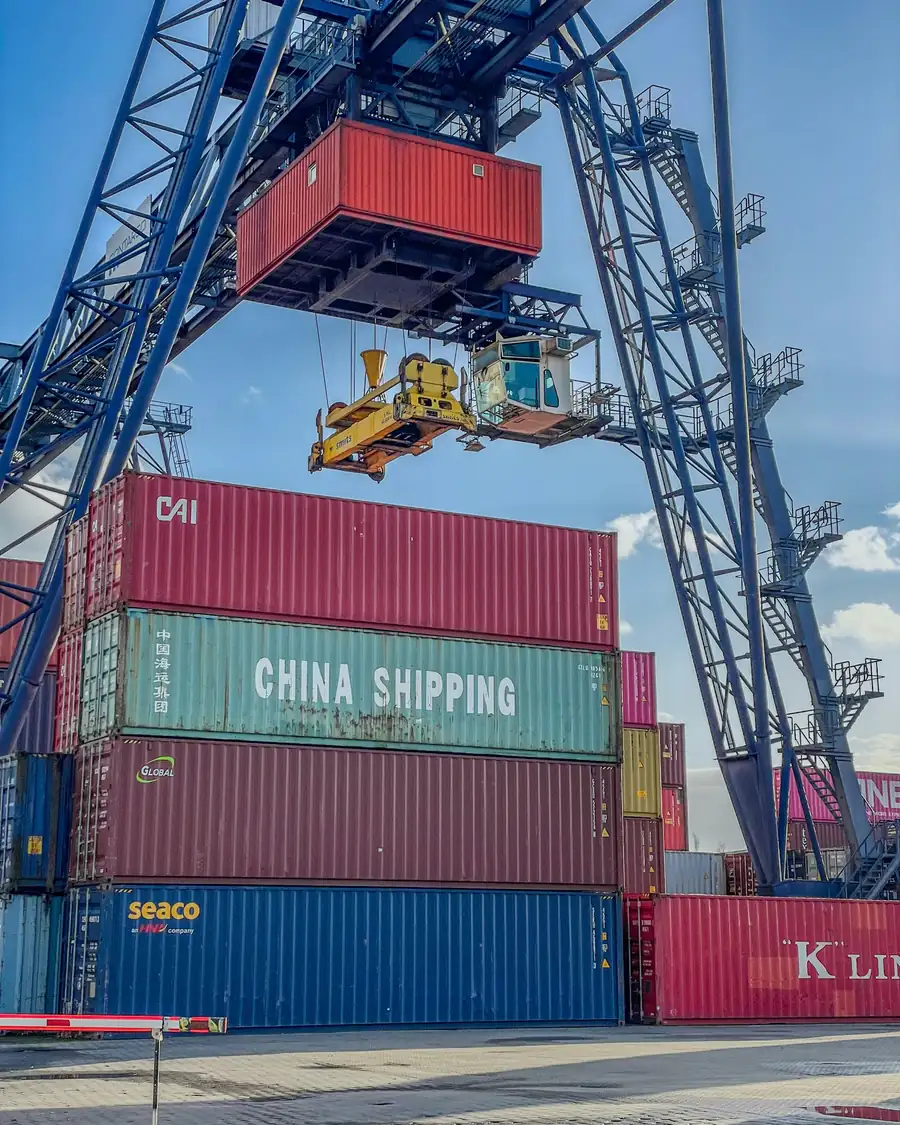
The United States is one of Indonesia’s largest export markets, and most shipments that fail there fail on paperwork rather than product. A container of Bali coffee can be refused over a label formatted to EU rules; a teak carving can sit in detention because nobody filed a Lacey Act declaration. The fix happens weeks before the vessel loads, not at the port of Los Angeles.

What Does US Market Entry Support Cover?

Our desk handles the preparation layer between your factory or farm and your US importer:

  • Regulatory mapping — FDA facility registration and US agent setup, Prior Notice filings, and the Foreign Supplier Verification Program (FSVP) evidence your importer will demand.
  • Labeling — FDA Nutrition Facts format, English ingredient statements, country-of-origin marking that satisfies CBP.
  • Customs preparation — HTS classification opinions, ISF “10+2” data for ocean freight, bond and broker coordination via vetted licensed partners.
  • Buyer sourcing policies — a matrix of the traceability, certification and payment terms each US segment expects before it signs.
  • Specialty positioning — sample logistics and pitch materials for coffee, cocoa and craft buyers.

This is compliance information, not legal advice. Customs brokerage, legal opinions and laboratory testing run through vetted licensed partners, and admissibility decisions always sit with the US agencies.

Which US Agencies Touch an Indonesian Shipment?

Agency Covers What it expects from you
FDA Food, beverages, supplements, cosmetics Facility registration with a US agent, Prior Notice per shipment, compliant labels
USDA / APHIS Plant products, wood, some agricultural goods Phytosanitary certificates, Lacey Act declarations for listed wood products
CBP Every entry, all product types Importer of record, customs bond, correct HTS code, ISF filed 24 hours before vessel loading
FTC / CPSC Textiles, children’s products Fiber-content labels, CPSIA testing and certificates for kids’ items

Duty rates are a moving target. Washington announced a 19% tariff on most Indonesian goods in July 2025; confirm the current figure with CBP or a licensed customs broker before fixing a landed-cost quote (noted as of July 2026).

How Do US Requirements Compare With the EU’s?

The two markets run on different logic. Brussels regulates your supply chain before goods move — the EU Deforestation Regulation, in force since June 2023, demands a Due Diligence Statement with plot geolocation for coffee, cocoa, palm oil and rubber. Washington regulates the point of entry and holds the US importer accountable for what crosses it.

Checkpoint EU US
Deforestation rule EUDR: DDS in TRACES NT with plot geolocation; large-operator enforcement dated 30 December 2025 (as of 2026 — confirm with the European Commission) No enforced federal equivalent; buyer sourcing policies fill the gap
Trader identity EORI number Importer of record with a CBP customs bond
Food pre-arrival filing ENS under ICS2 FDA Prior Notice plus ISF “10+2”
Labeling Regulation 1169/2011, metric units FDA Nutrition Facts panel, dual US-metric units
Wood legality EUDR due diligence — SVLK certification alone no longer suffices Lacey Act declaration filed by the importer
Penalty exposure Up to 4% of EU turnover under EUDR Refusal, re-export or destruction; Lacey Act fines

One practical upside: the farm geolocation records Indonesian exporters are building for EUDR pay off twice, because US specialty buyers ask for the same traceability voluntarily. If Europe is your priority market, our EUDR compliance service covers that workflow separately.

Which Specialty Segments Buy Indonesian Coffee, Cocoa and Crafts?

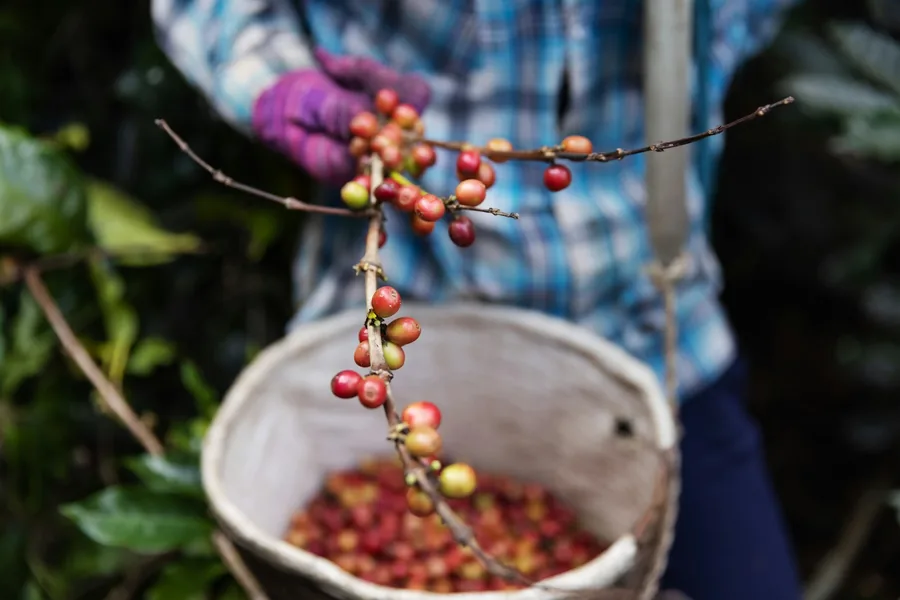
  • Coffee. US specialty roasters buy graded green lots on cupping scores and farm stories. Entry runs through air-freighted samples, a clean offer sheet, and events like the Specialty Coffee Expo. Kintamani, Gayo and Toraja already carry name recognition; the gap is usually consistent paperwork.
  • Cocoa. American bean-to-bar makers pay premiums for fine-flavor beans from Bali, Flores and Sulawesi, but expect farmgate price transparency and fermentation records before the first container.
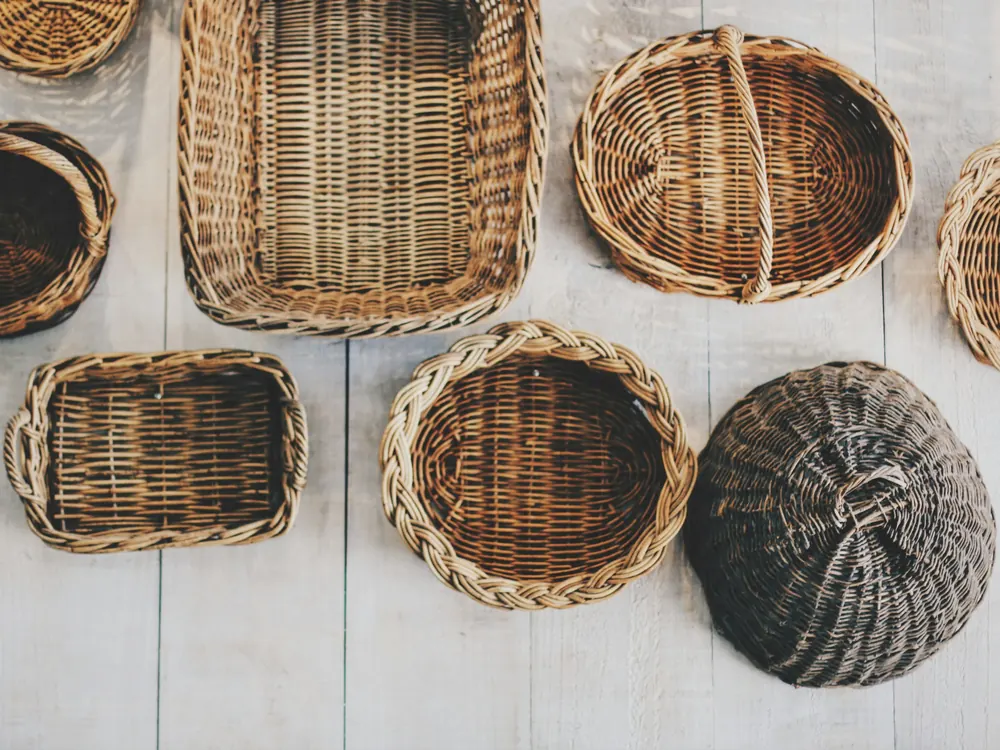
  • Crafts. The home-and-gift wholesale channel buys through trade shows such as NY NOW. Wooden pieces need Lacey Act declarations, textiles need FTC fiber labels, and children’s items trigger CPSIA testing.

What Does US-Readiness Support Cost?

Every engagement is quote-based; the figures below are indicative as of July 2026 and subject to change.

Option What you get Indicative fee (July 2026) Timeline
US-readiness call 45-minute product and paperwork review with the BD desk Free Scheduled within 2 working days
US entry gap report Agency mapping, label review, HTS opinion, prioritized fix list From IDR 9,500,000 10–14 working days
Buyer-ready package Gap report plus sourcing-policy matrix and a shortlist of matched US buyers From IDR 24,000,000 4–6 weeks
Shipment retainer Document preparation and broker coordination per shipment cycle Monthly, quoted on volume Ongoing

For context, Bali competitor The Bali Curator lists a sourcing-and-support package at IDR 12,500,000 (as listed 2026). Our final fee follows the scoping call and arrives in writing before any work starts.

How Does Booking Work?

  1. Request the call. WhatsApp, email or the short form on the contact page — name, email, destination market, cargo — reaches the Juara Holding Group BD desk directly.
  2. Send the basics. Product photos, an ingredient or material list, your target segment, and any existing COO, phytosanitary or SVLK documents.
  3. Join the 45-minute call. We map which agencies touch your product and flag any deal-breakers on the spot.
  4. Receive a written quote. Fixed scope and fee within two working days of the call.
  5. Start the work. Deliverables are tracked to the timeline above; buyer introductions begin once your paperwork holds up to scrutiny.

Book Your US-Readiness Call

Message the desk on WhatsApp at +62 811-3941-4563 or email bd@juaraholding.com with your product and target segment, and you will get a call slot within two working days. Part of Juara Holding Group — an Indonesian group operating from Bali across Indonesia since 2015. We are consultants, not a customs broker or law firm: regulated filings run through vetted licensed partners, and no consultant can guarantee FDA or CBP outcomes.
Frequently Asked Questions

Do Indonesian food exporters need FDA registration before shipping to the US?

Yes. Any facility that manufactures, processes, packs or holds food for US consumption must register with the FDA and appoint a US agent before goods ship. Registration renews every even-numbered year in the October–December window — 2026 is a renewal year. Each shipment also needs its own Prior Notice filing. Confirm specifics with the FDA or a licensed US agent.

Is there a US version of EUDR for coffee and cocoa?

Not at federal level as of mid-2026 — no enforced American law mirrors the EU Deforestation Regulation. The pressure comes from buyer sourcing policies instead: many US specialty roasters and chocolate makers require farm-level traceability voluntarily. The geolocation records Indonesian farms compile for EUDR usually satisfy those American buyers too. Check current legislation before signing long-term contracts.

How long does US market entry preparation take from Indonesia?

For an exporter with documents in order, a gap report takes about 10–14 working days and a buyer-ready package four to six weeks, based on 2026 engagements. FDA facility registration itself moves quickly; buyer sampling and sourcing-policy reviews take longer. Add roughly three to five weeks of sea freight from Surabaya or Jakarta to the US West Coast per shipment.

Can a consultant guarantee my shipment clears US customs?

No — and treat any guarantee as a red flag. CBP and FDA make admissibility decisions independently, and any entry can be examined, detained or refused. What advisory work does is shrink that risk: correct HTS classification, complete Prior Notice data, compliant labels and a licensed customs broker on file. Final authority always rests with the US agencies.

Do wooden handicrafts from Bali need a Lacey Act declaration?

Many do. The Lacey Act requires an import declaration of plant species and harvest country for listed wood products, and it bans illegally harvested timber outright. Indonesian SVLK paperwork helps evidence legality but does not replace the declaration, which the US importer files at entry. We map your HTS codes against the declaration schedule; confirm final scope with USDA APHIS.

WhatsApp the concierge
Scroll to Top