
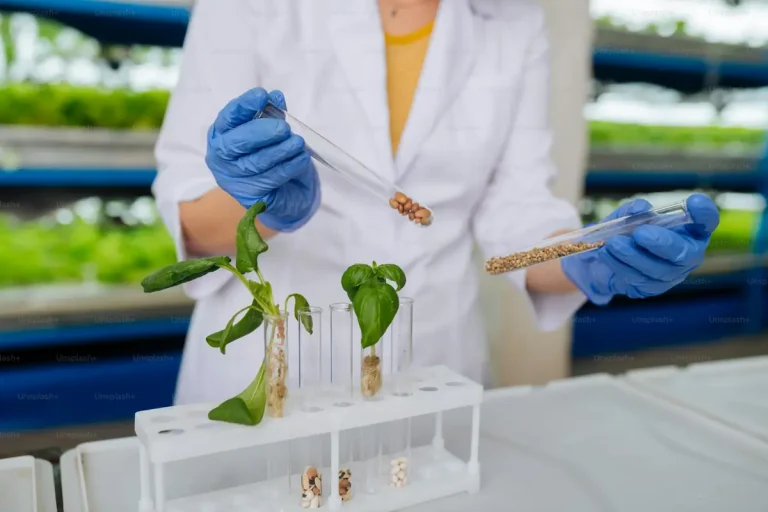
Phyto Certification Meets EU Sustainability: 2027 Outlook
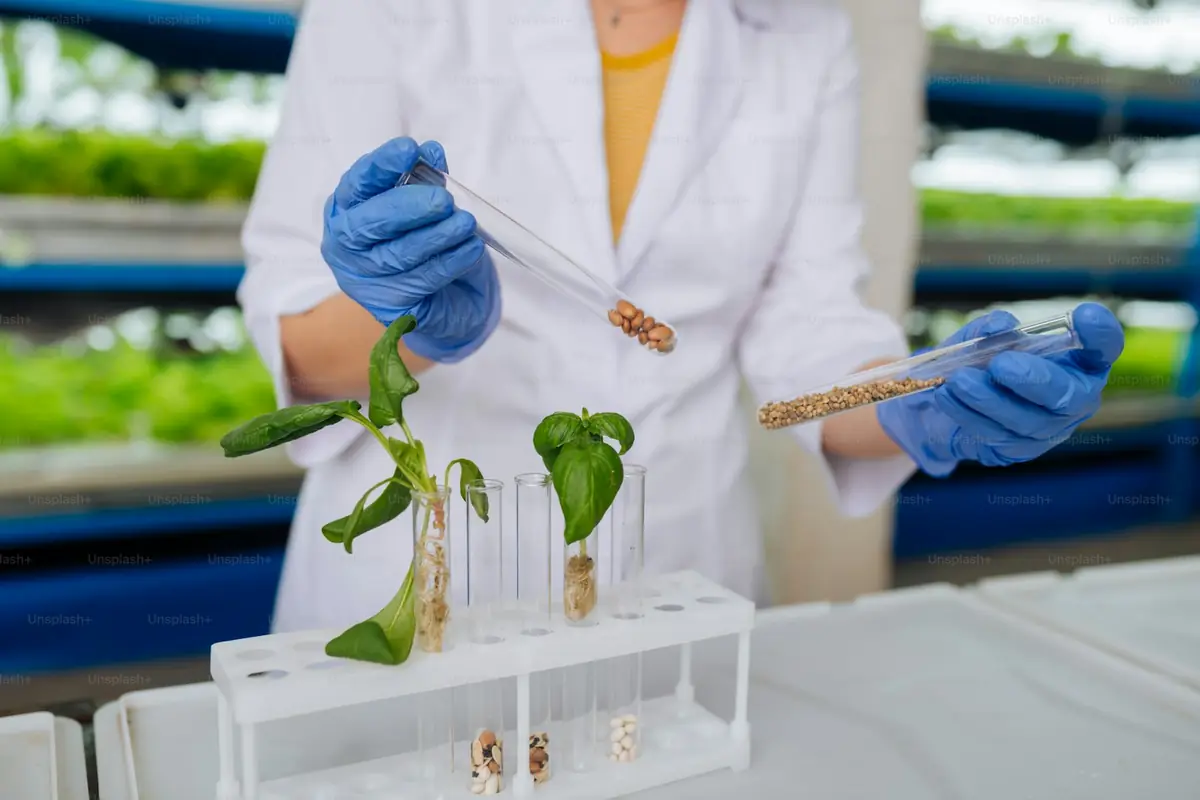
Phytosanitary and sanitary certificates remain mandatory for Indonesian agri exports to the EU, but by 2027 they will function as the floor, not the ceiling. Buyers are already asking exporters to stack plant-health paperwork with deforestation-free, organic and halal credentials — an outlook grounded in dated 2026 signals, not a prediction, and not legal advice.
Why Are Phyto Certificates No Longer Enough on Their Own?
A phytosanitary certificate, issued by Indonesia’s quarantine authority after inspection at the point of export, tells an EU border officer exactly one thing: this cargo is free of regulated pests and diseases. A health or sanitary certificate does similar work on the food-safety side. Neither document says anything about how the land was cleared, whether the farmer held legal tenure, or what the plot’s forest status looked like on 31 December 2020.
That last date now matters commercially. The EU Deforestation Regulation (EUDR) — drafted in December 2022, adopted by the European Parliament in April 2023 and the Council in May 2023, in force since June 2023 — requires that soy, cattle, palm oil, wood, cocoa, coffee and rubber placed on the EU market be deforestation-free, meaning produced on land not deforested after 31 December 2020, and legally produced under the laws of the country of production. Indonesia grows four of the seven covered commodities: palm oil, coffee, cocoa and rubber.
So a Balinese coffee or cocoa exporter planning for 2027 is really managing two parallel document tracks: the classic plant-health track ending in a phytosanitary certificate, and a sustainability track anchored in a Due Diligence Statement (DDS) that the EU operator files in the TRACES NT system before goods enter the EU, referencing the HS code, the importer’s EORI number, origin details and geolocation data. Working with a phytosanitary consultant Indonesia exporters already trust for quarantine paperwork is one practical way to keep both tracks aligned instead of duplicated, because the same shipment file feeds both.
The penalty asymmetry explains buyer behaviour. Non-compliant EU operators face fines of up to 4% of EU turnover, confiscation of goods and exclusion from EU public procurement. Indonesian exporters never pay that fine directly; they feel it as cancelled contracts.
What 2026 Signals Point Toward 2027?
An honest outlook works from dated evidence, so here it is, with dates attached.
- Staggered EUDR enforcement. Guidance as of 2026 treats 30 December 2025 as the enforcement date for large operators; other sources cite a 30 December 2026 milestone for large and medium operators and a 30 June 2027 deadline for micro and small enterprises. Dates have moved before — confirm the current schedule with the European Commission.
- The traceability gap is measured. As of Q1 2026, roughly 18–22% of Indonesian independent smallholder hectares had verified geolocation data integrated into mill supply chains, and about 5 million hectares still lacked verified EUDR documentation.
- Cost figures now exist. Indonesian government and industry studies published as of 2026 estimate USD 80–150 per hectare for a typical smallholder plot — roughly USD 400–750 million across the 5-million-hectare gap.
- Buyers already act on risk reports. The Earthsight and Auriga Nusantara “Risky Business” report of October 2025 pushed EU timber buyers to drop high-risk Indonesian suppliers — a warning that SVLK legality certification alone no longer reassures EU buyers.
- Infrastructure is being built. Indonesia is developing the GroundTruthed.id (GTID) forest-monitoring platform and reconciling forest and commodity data with the EU.
- Trade policy reinforces the direction. The Indonesia–EU Comprehensive Economic Partnership Agreement (IEU-CEPA) is expected to enter into force in 2027, tying tariff advantages to sustainability standards.
None of these signals guarantees any specific 2027 rule. Together they point one way: sanitary and phytosanitary paperwork will keep goods admissible, while sustainability documentation will decide who wins the purchase order.
How Do Certificates Stack for Premium Positioning?
The pattern emerging among premium EU buyers is stacked certification — layers that each answer a different buyer question. Only about 1% of Indonesian smallholders supplying forest-risk commodities are currently certified as meeting EU traceability and legality requirements, which is precisely why a complete stack differentiates.
| Layer | What it answers | Issued or filed by | Status in the 2027 outlook |
|---|---|---|---|
| Phytosanitary certificate | Is the plant cargo pest- and disease-free? | Indonesian quarantine authority at export | Mandatory floor, unchanged |
| Health / sanitary certificate | Is the product safe as food? | Competent Indonesian authority | Mandatory floor for covered goods |
| EUDR Due Diligence Statement | Was the land deforested after 31 Dec 2020? Was production legal? | EU operator, filed in TRACES NT with exporter-supplied data | Legal requirement for the seven commodities |
| SVLK (timber legality) | Was timber legally harvested under Indonesian law? | Accredited SVLK certification bodies | Still required, but must be complemented by EUDR-level due diligence |
| EU organic | Does production meet EU organic standards? | EU-recognised control bodies | Voluntary; strongest single price-premium lever |
| Halal (BPJPH) | Is processing sharia-compliant? | BPJPH with audit by an LPH | Mandatory domestically for many categories; premium signal in Gulf and EU speciality retail |
| Voluntary schemes (Rainforest Alliance, Fairtrade) | Does a third party vouch for sustainability claims? | Private certifiers | Buyer-preference signal, not a legal substitute |
Two cautions. First, no voluntary certificate substitutes for the DDS: organic, halal and Rainforest Alliance logos do not satisfy EUDR geolocation and legality checks. Second, stacking costs real money, so sequence it against the buyer you actually have. For fee context, SGS Indonesia offers EUDR gap analysis from South Jakarta, and Bali competitor The Bali Curator lists a sourcing-and-support package at IDR 12,500,000 as listed in 2026 — indicative figures only, subject to change, with serious compliance work quoted per case.
What Should Exporters Prepare in 2026 for a 2027 Market?
The preparation list falls straight out of the DDS mechanics.
- Map every product to its HS code and flag which lines fall under the seven EUDR commodities.
- Collect geolocation for each supplying plot: full polygon coordinates for plots larger than 4 hectares, a single point coordinate for plots under 4 hectares.
- Assemble farmer identity records, national ID and land tenure documentation for each plot.
- Cross-reference plots against the reference deforestation map showing forest cover as of 31 December 2020.
- Run a shipment-level risk assessment covering legality and deforestation risk, adding documentation wherever risk is non-negligible.
- Agree in writing with your EU importer on who files the DDS and whose EORI number appears on it.
- Budget from the dated benchmark — USD 80–150 per hectare as of 2026 — and treat every quote as subject to change.
Exporters who finish steps one through four during 2026 enter 2027 selling verified provenance while competitors are still digitising land records. That is the whole premium-positioning argument, stated plainly. Deadlines shift and thresholds get renegotiated, so confirm every date with the European Commission and the relevant Indonesian authorities before committing cargo. This article is compliance information, not legal advice, and no consultant can guarantee an audit or border outcome.
Frequently Asked Questions
Will EU buyers reject shipments that have valid phyto certificates but no EUDR data?
For the seven EUDR commodities, market access depends on the importer filing a Due Diligence Statement in TRACES NT before goods enter the EU — a valid phytosanitary certificate does not substitute for it. For non-EUDR products, sustainability demands are contractual rather than regulatory, so a buyer can still decline. Confirm current enforcement dates with the European Commission.
Do halal or organic certificates count toward EUDR compliance for Indonesian exports?
No. Halal certification through BPJPH and EU organic certification answer different buyer questions — processing integrity and input standards — and neither carries the geolocation, legality and deforestation-free evidence the DDS requires. Stacking them adds price-premium positioning on top of compliance, but as of 2026 no voluntary certificate replaces EUDR due diligence data.
When should smallholder coffee or cocoa cooperatives start collecting geolocation data?
During 2026, immediately. As of Q1 2026 only about 18–22% of Indonesian independent smallholder hectares had verified geolocation integrated into mill supply chains. Mapping polygons for plots above 4 hectares, gathering land tenure papers and verifying farmer identities routinely takes one or two seasons, so cooperatives that start now meet the 2027 buyer conversation prepared.
Keep reading
Market Entry
US Market Entry for Indonesian Coffee & Cocoa: 2027 Outlook
US market entry for Indonesian specialty coffee and cocoa with sustainability claims runs through three gates: FDA food-safety registration with…

Market Entry
IEU-CEPA Sustainability Chapters: What to Prepare
Scope: the sustainability-standards chapters themselves — not the tariff-opportunity case, which we cover separately. IEU-CEPA tariff preferences will not arrive…
Market Entry
EU & US Green Trade Trends for Bali Exporters: 2027 Outlook
EU and US green trade trends for Indonesia's sustainable tourism and export sectors converge on one word for 2027: proof.…