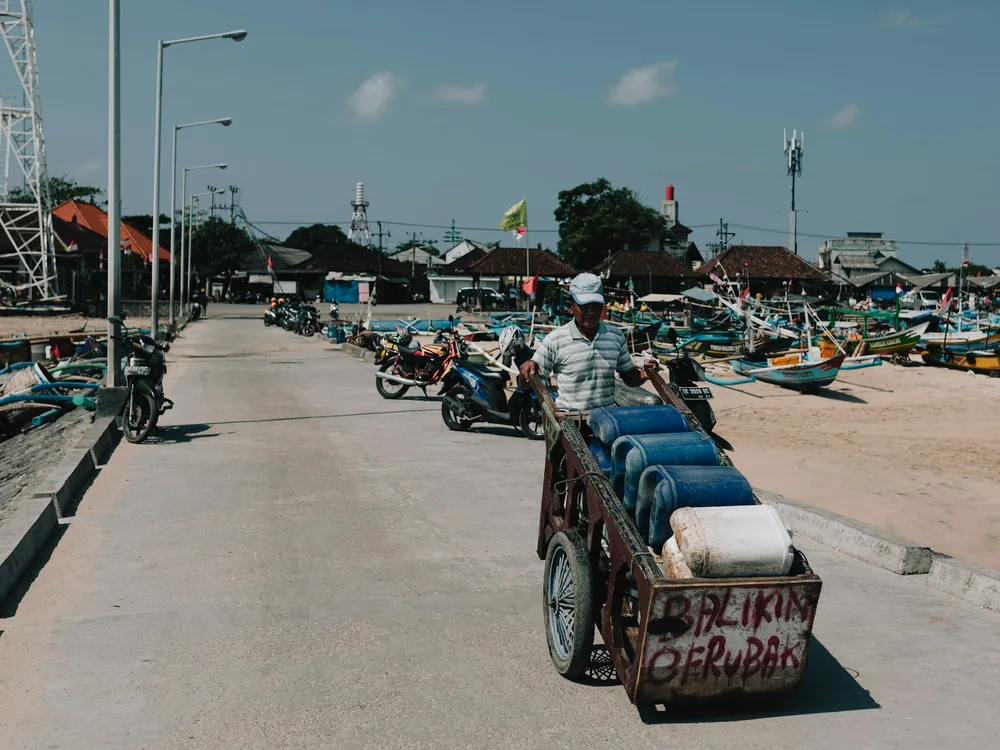
Five layers of export compliance
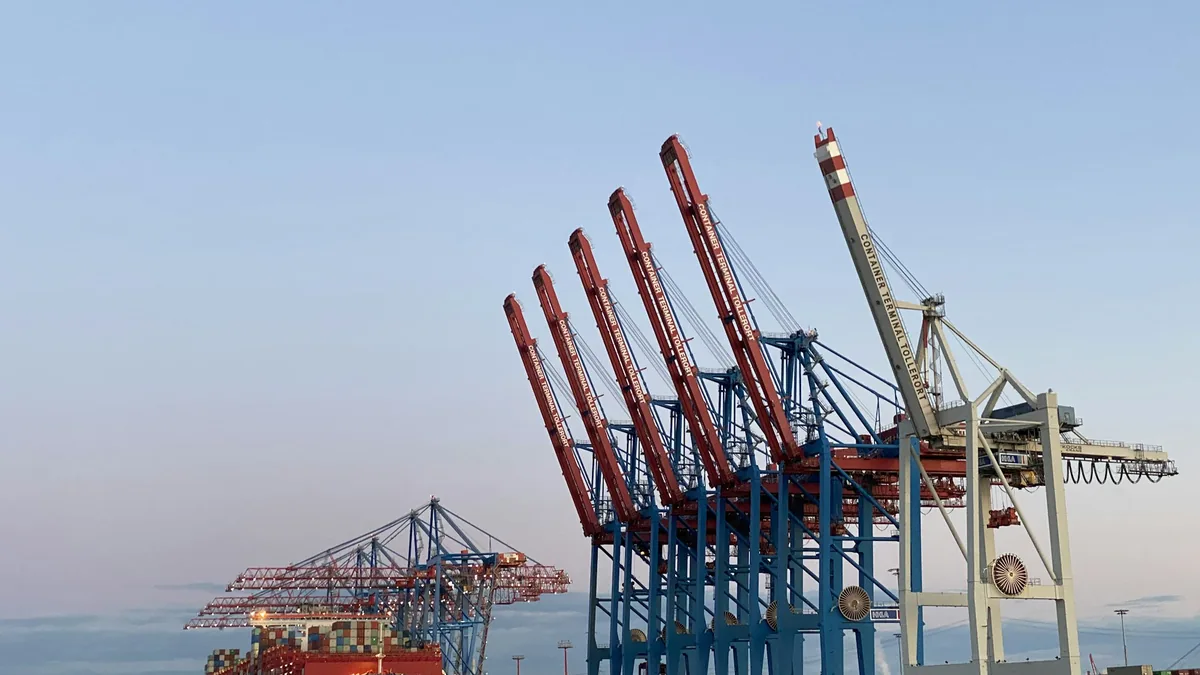
Every legal export from Indonesia follows the same spine: register the business, classify the goods, certify the product, declare the shipment, then meet the destination's rules.
Most delayed shipments fail on the last two layers, the PEB declaration and the destination rules, not on the licences.
-
Business: NIB with an export licence and matching KBLI code
-
Product: HS code, certificate of origin, phytosanitary, SVLK for timber
-
Shipment: PEB export declaration through CEISA 4.0
-
Destination: EUDR for the EU; FDA and USDA rules for the US
What EUDR changes
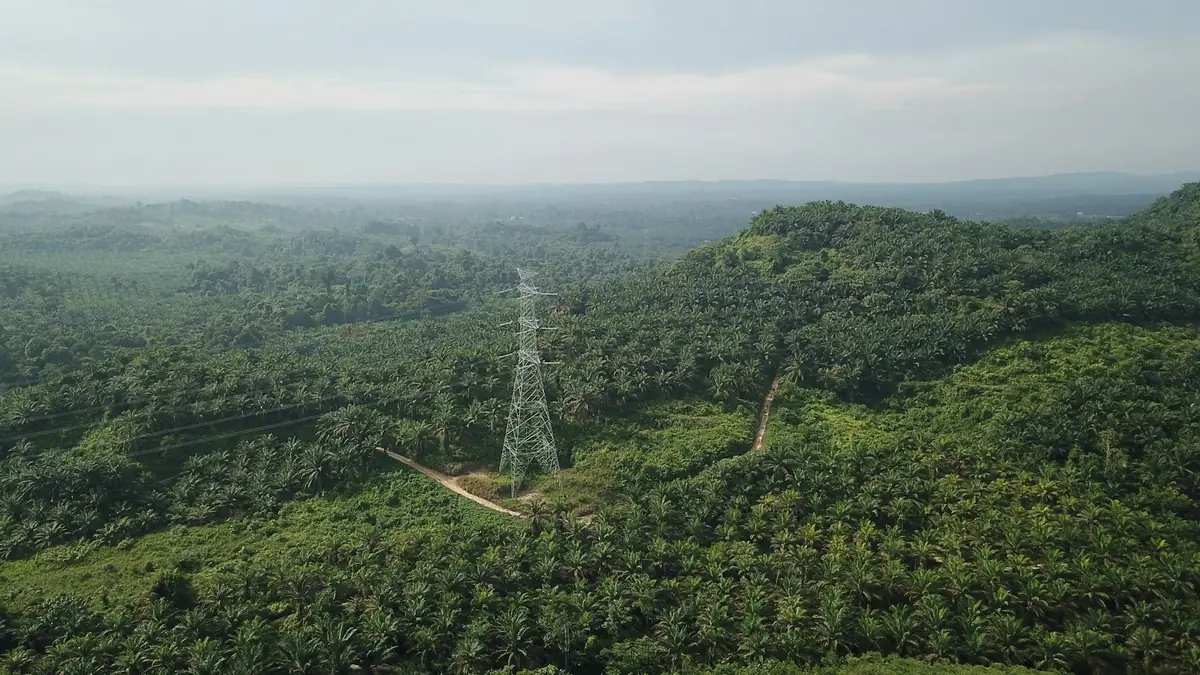
EUDR covers seven commodities; Indonesia ships palm oil, coffee, cocoa, rubber and wood. Goods must come from land not deforested after 31 December 2020 and be legally produced.
The EU operator files a Due Diligence Statement in TRACES NT with the HS code, EORI and plot geolocation. It applies from 30 December 2026 for large and medium operators and 30 June 2027 for micro and small enterprises. Fines can reach 4% of EU turnover.
The US lane
The United States has no EUDR. Food products need FDA facility registration and Prior Notice, and plant material follows USDA rules.
What compliance costs

Fees are quote-based because scope drives cost: one HS ruling is a different job from mapping three hundred plots. The public benchmark for smallholder EUDR mapping is USD 80-150 per hectare.
A written quote names the documents, authority fees, timeline and our fixed fee, and states what remains the authority's decision.