


Scope: a month-by-month countdown plan to 30 June 2027 — the readiness checklist itself lives in our coffee & cocoa SME guide.
Micro and small Indonesian exporters face a 30 June 2027 EUDR compliance deadline under the staggered timeline cited by research sources as of mid-2026. The last-mile plan is short: confirm whether your HS codes are in scope, secure geolocation and legality records for every plot you buy from, and rehearse one complete Due Diligence Statement before your first 2027 shipment.
One caution before anything else. EUDR enforcement dates are staggered and published sources differ: brand guidance treats 30 December 2025 as the enforcement date for large operators, while research sources also cite 30 December 2026 for large and medium operators and 30 June 2027 for micro and small enterprises. Treat every date here as “as of 2026” and confirm the current schedule with the European Commission before you plan shipments. This is compliance information, not legal advice.
Why Does 30 June 2027 Matter for Small Exporters?
The EU Deforestation Regulation was drafted in December 2022, adopted by the European Parliament in April 2023 and the Council in May 2023, and entered into force in June 2023. It covers seven commodities — soy, cattle, palm oil, wood, cocoa, coffee and rubber — and requires that goods placed on the EU market be deforestation-free, meaning produced on land not deforested after 31 December 2020, and legally produced under the laws of the country of production.
Timeline as commonly cited in 2026 — verify each date with the European Commission:
| Milestone | Date | Who it affects |
|---|---|---|
| EUDR entered into force | June 2023 | All operators (transition period) |
| Enforcement, large operators (brand guidance) | 30 December 2025 | Large operators and traders |
| Milestone also cited by research sources | 30 December 2026 | Large and medium operators |
| Micro and small enterprise deadline | 30 June 2027 | Micro and small enterprises |
For a small Bali exporter, 30 June 2027 is not a comfortable buffer. The documentation chain runs backwards through your supply base — farmer by farmer, plot by plot — and as of Q1 2026 only roughly 18–22% of Indonesian independent smallholder hectares had verified geolocation data integrated into mill supply chains. About 5 million hectares still lacked verified EUDR documentation. If your coffee or cocoa comes from that gap, closing it takes seasons, not weeks.
Which Bali Shipments Fall Inside EUDR Scope?
Indonesia produces four of the seven EUDR commodities: palm oil, coffee, cocoa and rubber. Wood is a fifth with direct Bali relevance, because teak furniture and carved decor lines fall under wood HS chapters. Indonesian timber exporters already hold SVLK legality certification, but SVLK must now be complemented with EUDR-level due diligence — the Earthsight and Auriga Nusantara “Risky Business” report of October 2025 already pushed EU timber buyers to drop suppliers they judged high-risk.
| Commodity | Typical Bali/Indonesia export | Core evidence you need |
|---|---|---|
| Coffee | Kintamani arabica, Sumatran green beans | Plot geolocation, farmer ID, land tenure |
| Cocoa | Jembrana and Sulawesi beans, couverture | Plot geolocation, legality file |
| Wood | Teak furniture, carved decor | SVLK plus EUDR due diligence |
| Rubber | Sheet and crumb rubber | Plantation polygons, tenure records |
| Palm oil | Derivatives in cosmetics, soap bases | Mill traceability, plot data |
Sequencing matters here. If you have not yet incorporated the entity that will sign export documents, handle export setup for foreign owners before you spend on traceability, because your Due Diligence Statement references a consistent exporter identity, HS code and EORI number — changing the entity later means redoing the chain.
What Is the Minimum Viable Documentation Chain?
Strip EUDR to its mechanics and a micro exporter needs six linked records per shipment:
- HS code confirmation. Establish whether each product line falls under EUDR-annexed HS codes before anything else.
- Geolocation for every plot. A single point coordinate for plots under 4 hectares; full polygon coordinates for plots larger than 4 hectares.
- Deforestation cross-check. Coordinates are cross-referenced against a reference deforestation map showing forest cover as of 31 December 2020.
- Farmer identity and tenure. Farmer identity records, national ID and land tenure documentation for each supplying plot.
- Shipment-level risk assessment. Covering both legality and deforestation risk, with extra documentation wherever risk is non-negligible.
- The DDS itself. A Due Diligence Statement filed in the EU TRACES NT system before goods enter the EU, referencing HS code, EORI number, origin and geolocation data.
The penalty side explains the urgency on the buyer’s end: non-compliance can cost an EU operator up to 4% of EU turnover, plus confiscation of goods and exclusion from EU public procurement. That is why EU importers have been cutting suppliers early rather than waiting for their own deadline.
How Should You Triage Between Now and Mid-2027?
Working back from 30 June 2027, a realistic quarter-by-quarter triage for a micro or small exporter looks like this:
| Window | Priority | Why now |
|---|---|---|
| Q3 2026 | HS scope audit, supplier census | Cheap, fast, defines the whole workload |
| Q4 2026 | Geolocation capture during harvest visits | Coordinates are easiest to collect in season |
| Q1 2027 | Legality file, tenure gaps, risk assessment | Slowest documents; village-level follow-up |
| Q2 2027 | Dry-run DDS with your EU buyer | Find TRACES NT data errors before they cost a shipment |
The cost side is quantifiable, with dates attached. Indonesian government and industry studies estimate compliance costs at USD 80–150 per hectare for a typical smallholder plot — USD 400–750 million across the national 5-million-hectare gap. For a micro exporter buying from 30 smallholder plots averaging two hectares, that implies an indicative USD 4,800–9,000 traceability budget as of 2026, subject to change and heavily dependent on how much your buyers and mills co-fund.
Where Should a New Bali-Based Exporter Start?
Three signals from 2026 point at what 2027 will reward — an outlook, not a prediction.
First, verification infrastructure is being built now. Indonesia is developing the GroundTruthed.id (GTID) forest-monitoring platform and reconciling forest and commodity data with the EU. Exporters whose plot data aligns with GTID early will spend less proving the same facts twice.
Second, only about 1% of Indonesian smallholders supplying forest-risk commodities are certified as meeting EU traceability and legality requirements, according to studies circulating in 2026. Scarcity cuts both ways: compliant supply will command attention from EU buyers who dropped riskier sources.
Third, the Indonesia-EU Comprehensive Economic Partnership Agreement is expected to enter into force in 2027, tying tariff advantages to standards and sustainability. A documentation chain built for EUDR doubles as the paperwork discipline IEU-CEPA preference claims will lean on.
On support pricing: SGS Indonesia offers EUDR gap analysis from South Jakarta, and Bali competitor The Bali Curator lists a sourcing-and-support package at IDR 12,500,000 as listed in 2026. Treat both as market reference points; scoped fees for a micro exporter are quote-based and depend on commodity, plot count and how much data your mills already hold. No consultant can guarantee a clearance outcome — confirm requirements with the European Commission and your EU importer’s compliance team before committing budget.
Frequently Asked Questions
Does the 30 June 2027 deadline definitely apply to my small Bali export business?
Not automatically. The 30 June 2027 date applies to micro and small enterprises as cited by research sources in 2026, but classification follows EU enterprise-size definitions, and enforcement dates have shifted before. Check your size category, confirm the current schedule with the European Commission, and ask your EU buyer which date their compliance team is working to.
What last-mile support exists if I only start EUDR preparation in late 2026?
Realistic options include buyer co-funded geolocation programs, mill-level data sharing, Indonesia’s GTID platform as it comes online, and commercial gap analyses such as those SGS Indonesia runs from South Jakarta. Indicative field costs were USD 80–150 per hectare as of 2026. Starting late is workable for small plot counts; five hundred scattered smallholders is a different project.
Who files the Due Diligence Statement — my company in Bali or my EU buyer?
Usually the EU operator placing goods on the market files the DDS in TRACES NT. Your job as an Indonesian exporter is supplying the verified inputs it references: geolocation, farmer identity, land tenure and legality records tied to your HS code. Put the split of responsibilities in writing in your sales contract, and confirm the current filing rules with the European Commission.
Keep reading

EUDR
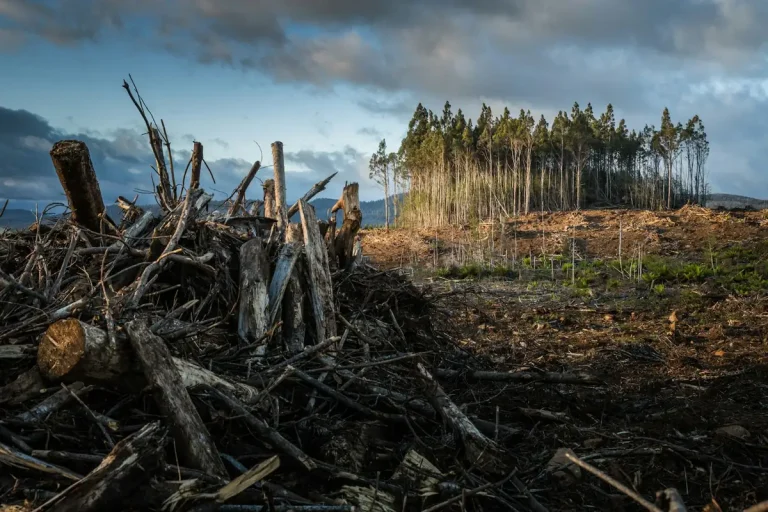
Zero Deforestation Sourcing: Indonesia to EU Post-2026
Zero-deforestation sourcing for Indonesian exporters selling into Europe after 2026 means rebuilding supply chains around suppliers who can prove, with…
EUDR
EUDR Penalties and Market Exclusion: Indonesia Risk Outlook
EUDR non-compliance exposes EU buyers of Indonesian palm oil, coffee, cocoa, rubber and timber to fines of up to 4%…
EUDR
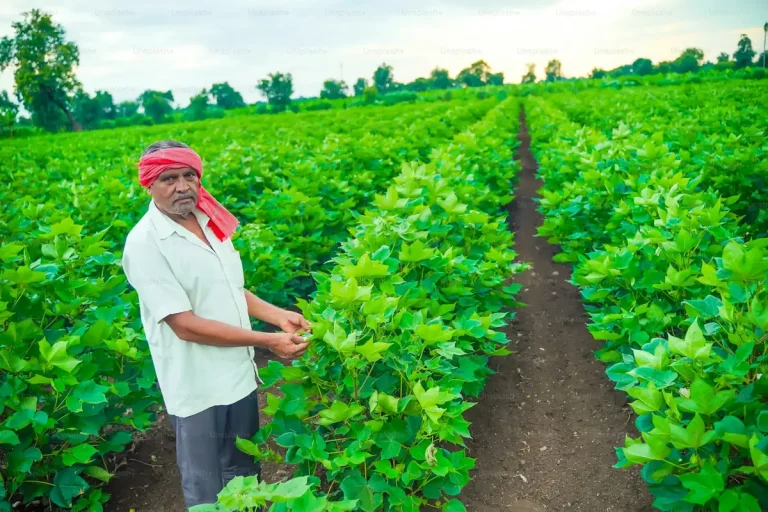
Inclusive EUDR Compliance Models for Smallholders
Inclusive EUDR compliance means the cooperative, not the individual farmer, carries the data burden. The models gaining ground in 2026…