

Zero Deforestation Sourcing: Indonesia to EU Post-2026

Zero-deforestation sourcing for Indonesian exporters selling into Europe after 2026 means rebuilding supply chains around suppliers who can prove, with plot-level geolocation data, land-tenure records and legality documents, that wood and plantation inputs come from land not deforested after 31 December 2020 — then packaging that proof into a Due Diligence Statement filed before goods enter the EU.
One framing note before the detail. This piece is an outlook built on dated 2026 signals, not a prediction. EUDR deadlines have shifted before and sources still differ on the exact schedule, so treat every date below as “as of 2026” and confirm the current position with the European Commission before you commit budget.
Why Will Zero-Deforestation Proof Decide EU Orders After 2026?
The EU Deforestation Regulation was drafted in December 2022, adopted by the European Parliament in April 2023 and by the Council in May 2023, and entered into force in June 2023. It covers seven commodities — soy, cattle, palm oil, wood, cocoa, coffee and rubber — and Indonesia produces four of them. For furniture and craft exporters, wood is the one that bites: teak benches, suar dining tables and carved doors all trace back to a forest or plantation plot somewhere in the archipelago.
Enforcement is staggered, and this is where dates matter. Industry guidance through 2026 treated 30 December 2025 as the enforcement start for large operators, while research sources also cite a 30 December 2026 milestone for large and medium operators and a 30 June 2027 deadline for micro and small enterprises. Whichever schedule holds, the direction is one-way: each year through 2027 pulls more of the supply chain into scope, including the small workshops that dominate Indonesian furniture and craft production.
The penalty side explains buyer behaviour. Non-compliance can cost an EU operator up to 4% of EU turnover, plus confiscation of goods and exclusion from EU public procurement. Importers do not absorb that risk quietly. They push it down the chain — to you.
Which 2026 Signals Point to a Harder 2027?
The buyers pressing hardest right now are furniture importers. Any Bali furniture export consultant fielding EU inquiries through 2026 will tell you the same thing: geolocation questions now arrive before price questions. Five dated signals explain why, and together they sketch 2027.
- Traceability gap. As of Q1 2026, roughly 18–22% of Indonesian independent smallholder hectares had verified geolocation data integrated into mill supply chains; about 5 million hectares still lacked verified EUDR documentation.
- Buyer flight has already happened once. The Earthsight and Auriga Nusantara “Risky Business” report of October 2025 pushed EU timber buyers to drop suppliers they judged high-risk — before full enforcement even arrived.
- Certification is scarce. Only about 1% of Indonesian smallholders supplying forest-risk commodities are certified as meeting EU traceability and legality requirements.
- Infrastructure is coming. Indonesia is building the GroundTruthed.id forest-monitoring platform and reconciling forest and commodity data with the EU.
- The trade upside is dated too. The Indonesia–EU Comprehensive Economic Partnership Agreement is expected to enter into force in 2027, tying tariff advantages to standards and sustainability.
Read these as signals, not certainty. But five arrows pointing the same way is a pattern worth planning around.
How Do You Redesign Sourcing for Zero Deforestation?
Treat the redesign as six workstreams, sequenced so evidence accumulates shipment by shipment rather than in one exhausting sprint.
| Strategy | What it involves | Evidence produced | Realistic start |
|---|---|---|---|
| Supplier census | List every wood source down to the plot; collect polygon coordinates for plots over 4 hectares, a single point for plots under 4 hectares | Geolocation file per plot | Q3 2026 |
| Cutoff screening | Cross-reference coordinates against the reference deforestation map showing forest cover as of 31 December 2020 | Deforestation-free screening record | Q3–Q4 2026 |
| Supplier declarations | Signed origin, legality and cutoff statements from each workshop and timber yard | Declaration pack per shipment | Q4 2026 |
| Legality stack | SVLK certificates plus land tenure documents and landholder identity records | Legality dossier per supplier | Q4 2026 |
| Dual-sourcing | Qualify plantation-grown or reclaimed-wood suppliers as a second source per product line | Backup supplier file with full evidence | Early 2027 |
| DDS readiness | Assemble HS code, EORI number, origin and geolocation into a TRACES NT filing workflow | Filed DDS reference per consignment | Before the first 2027 shipment |
Cost realism, with dates attached. Indonesian government and industry studies estimate compliance at USD 80–150 per hectare for a typical smallholder plot — roughly USD 400–750 million across the 5-million-hectare national gap. At workshop scale the numbers shrink but stay real: mapping a handful of supplying plots, screening them and papering the declarations is weeks of work, not days. Commercial benchmarks exist — SGS Indonesia offers EUDR gap analysis from South Jakarta, and one competing Bali sourcing service listed a support package at IDR 12,500,000 as listed in 2026 — but sourcing-redesign fees are typically quote-based, so treat any figure as indicative and subject to change.
What Evidence Will EU Buyers Demand After Enforcement?
Expect the standard evidence request to harden into something close to this list:
- DDS reference — a Due Diligence Statement filed in the EU TRACES NT system before goods enter the EU, referencing HS code, EORI number, origin and geolocation.
- Geolocation files — full polygon coordinates for plots larger than 4 hectares; a single point coordinate for plots under 4 hectares.
- Cutoff screening — proof the plots were cross-referenced against the reference map of forest cover at 31 December 2020.
- Legality records — SVLK for timber, now complemented with EUDR-level due diligence; SVLK alone no longer closes the question.
- Identity and tenure — farmer or landholder identity records, national ID and land tenure documentation.
- Risk assessment — a shipment-level assessment covering legality and deforestation risk, with extra documentation wherever risk is non-negligible.
What Should a Supplier Declaration Actually Say?
A declaration worth collecting names the plot coordinates and the landholder, states the harvest window, affirms the land was not deforested after 31 December 2020, references the legality documents behind the timber, and grants the exporter the right to verify — including site visits. Build in an update duty: the supplier must notify you if any plot changes hands or status.
One honest caveat belongs here. A declaration is evidence, not immunity. The EU operator filing the DDS carries the legal responsibility, and no declaration guarantees an audit outcome. This is compliance information, not legal advice — cross-check current rules with the European Commission or a licensed adviser before restructuring contracts.
The 2027 outlook, then, is neither doom nor business as usual. Exporters who spend the back half of 2026 mapping plots, collecting declarations and rehearsing DDS filings enter 2027 holding something scarce: a documented supply chain, ready for the later EUDR enforcement waves and for the tariff upside the IEU-CEPA is expected to bring when it enters into force in 2027.
Frequently Asked Questions
Are rattan and bamboo pieces covered by zero-deforestation rules after 2026?
Coverage follows the EUDR’s Annex I product list, which is built on HS codes and centres on wood. Many bamboo and rattan items sit outside it as of 2026, but a wooden frame, base or component can pull a mixed-material piece into scope. Classify every product by HS code and confirm against current European Commission guidance before promising a buyer anything.
What if my long-term supplier cannot provide geolocation data?
Three workable paths: fund the mapping yourself — Indonesian studies in 2026 put smallholder compliance costs at USD 80–150 per hectare; qualify a second, already-documented source for the same product line; or shift volume gradually as evidence arrives. As of Q1 2026 only 18–22% of independent smallholder hectares had verified geolocation, so documented suppliers are scarce and worth securing early.
Will supplier declarations alone satisfy EU buyers after enforcement?
No. A declaration is supporting evidence, not a compliance outcome. The EU operator filing the Due Diligence Statement remains legally responsible, so buyers will test declarations against geolocation files, cutoff screening and legality records such as SVLK. Treat declarations as one layer in a verification dossier, and never promise that paperwork alone will clear an audit.
Keep reading

EUDR
EUDR SME Deadline 2027: A Month-by-Month Plan
Scope: a month-by-month countdown plan to 30 June 2027 — the readiness checklist itself lives in our coffee & cocoa…
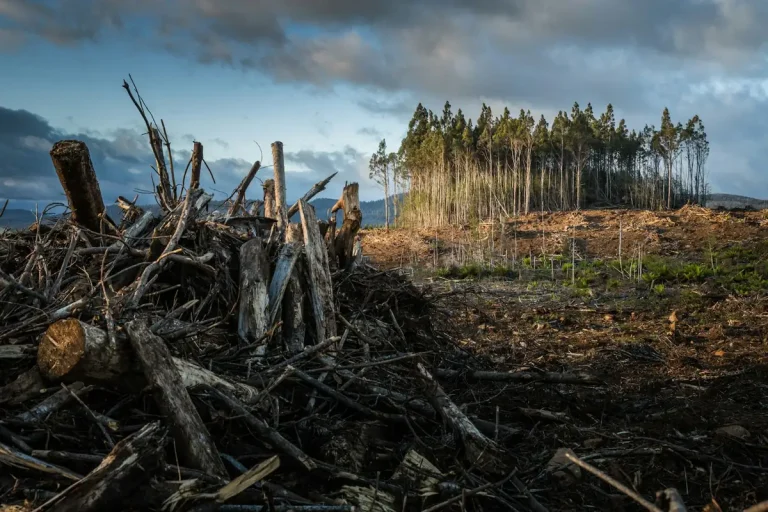
EUDR
EUDR Penalties and Market Exclusion: Indonesia Risk Outlook
EUDR non-compliance exposes EU buyers of Indonesian palm oil, coffee, cocoa, rubber and timber to fines of up to 4%…
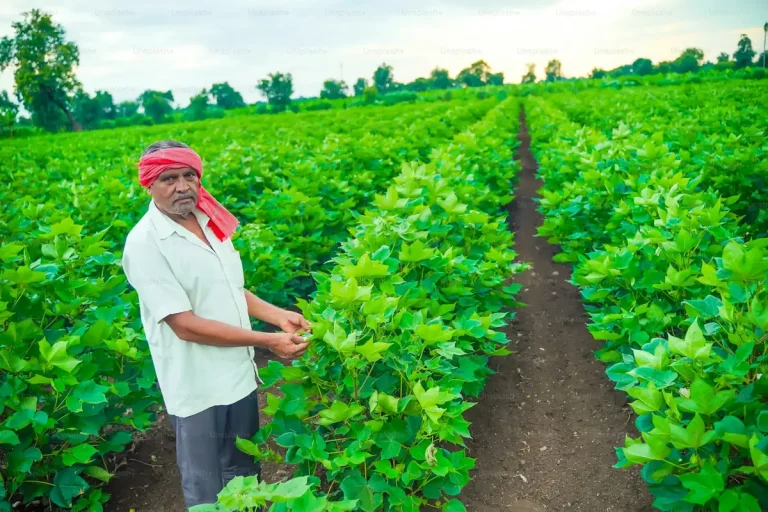
EUDR
Inclusive EUDR Compliance Models for Smallholders
Inclusive EUDR compliance means the cooperative, not the individual farmer, carries the data burden. The models gaining ground in 2026…