Export Consultant for Bali Furniture and Handicrafts

Export Consultant for Bali Furniture and Handicrafts

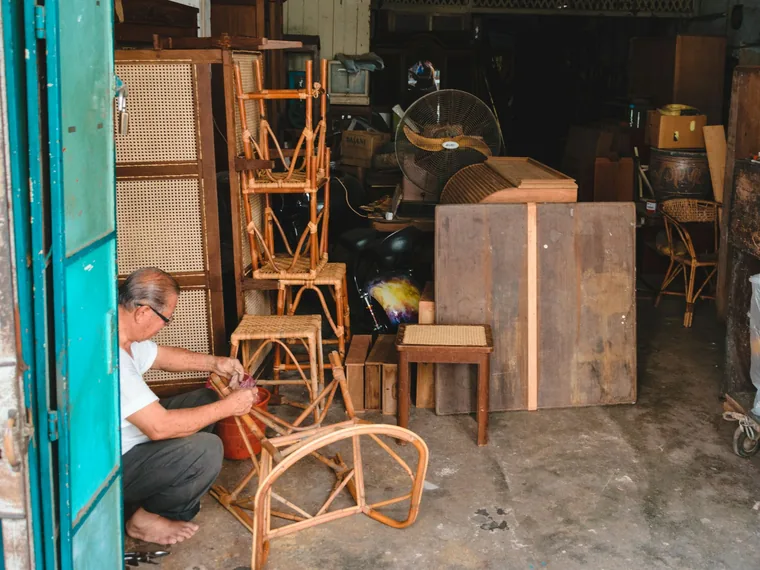
An export consultant for Bali furniture and handicrafts checks each product line against destination-market rules before anything is crated: EUDR due diligence for wood content, ISPM 15 treatment for pallets and crates, GPSR labeling, HS classification and certificates of origin — then supervises loading in Gianyar or Denpasar so problems get fixed in the workshop, not at the port.
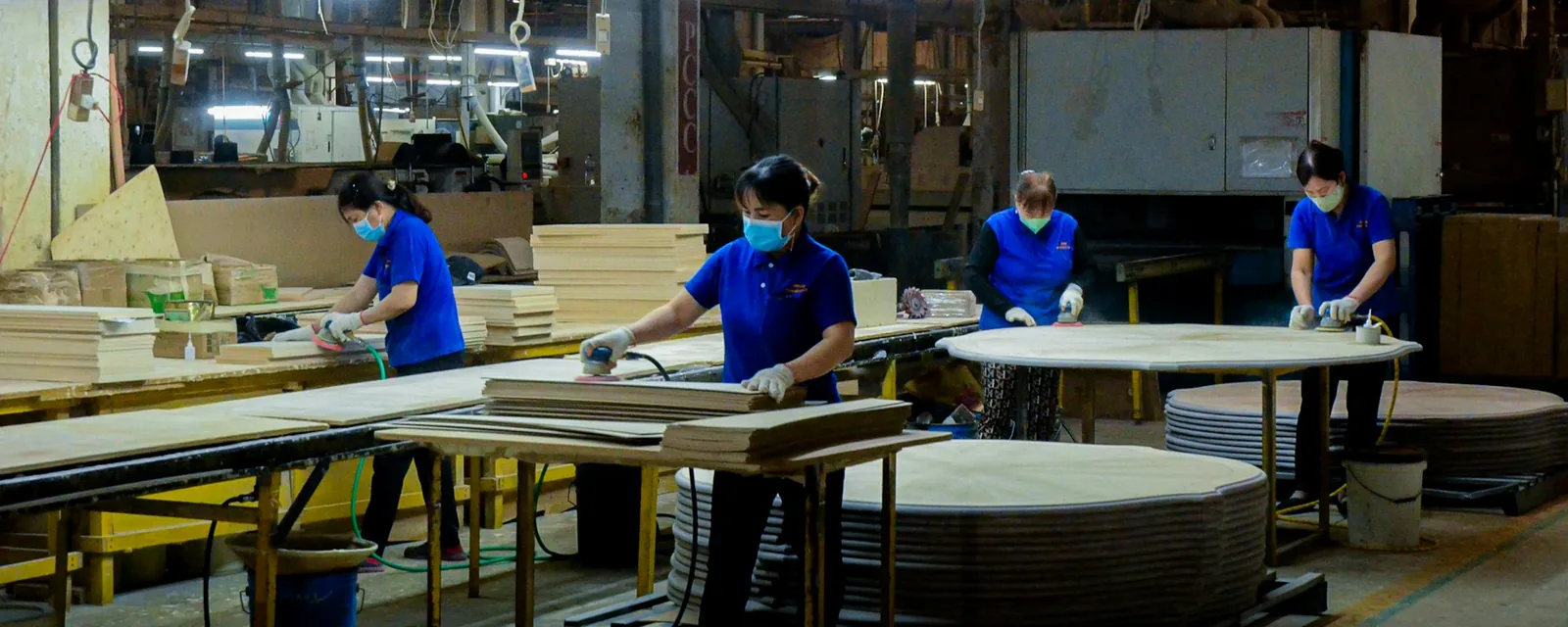
The stakes rose on 30 December 2025 — the enforcement date brand guidance treats as binding for large operators under the EU Deforestation Regulation. Wood is one of its seven covered commodities, and Bali’s furniture value sits in exactly that material: teak, suar and reclaimed timber.

What does an export consultant for Bali furniture and handicrafts actually do?

The job is translation. A workshop in Mas knows carving; it rarely knows what a buyer’s compliance team in Hamburg will ask for. A sector consultant maps each product to its HS heading, flags the applicable rules, assembles documents and checks the cargo before the doors close.

The clusters we assess most often:

  • Mas and Ubud — carved teak and suar statement pieces, doors, panels
  • Tegallalang corridor — container-mixed handicrafts: wood décor, homeware, wall art
  • Kerobokan and Canggu — furniture workshops, teak root consoles, suar slab dining tables
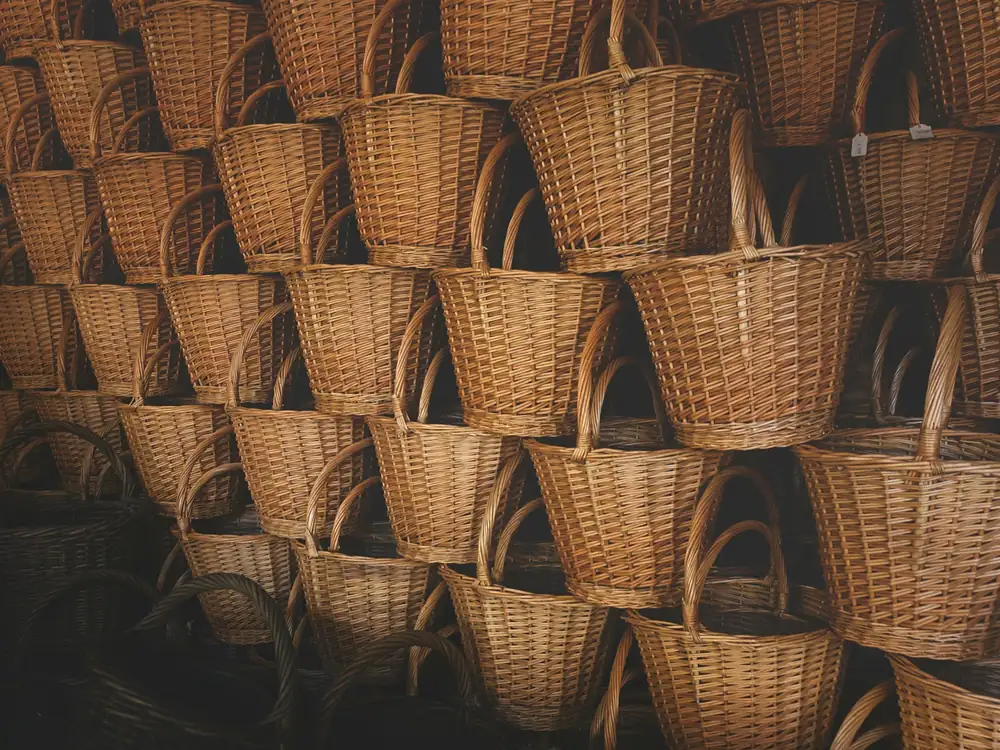
  • Tenganan and Karangasem — ata grass baskets and woven homeware
  • Batubulan — stone carving and cast-cement garden décor

Volumes vary wildly. A 20-foot container takes roughly 26–28 CBM of floor-loaded furniture; a 40-foot high-cube around 65–68 CBM — enough for a consolidated load of suar dining sets from three workshops. Handicraft trial orders often move as LCL from 2–3 CBM on one or two heat-treated pallets. Each scenario carries its own document stack.

Which EU rules hit a Bali furniture container first?

Four rule sets do most of the damage when ignored. The table maps typical Bali categories to the requirement that bites first; confirm final HS lines against the tariff schedule.

Product category Typical HS heading Key EU requirement
Teak and suar furniture 9403.60 EUDR due diligence for wood; GPSR responsible person
Carved wooden décor 4420 EUDR due diligence; ISPM 15 packaging
Rattan and bamboo furniture 9401.53 / 9403.83 Generally outside EUDR wood scope — verify the HS line; GPSR
Ata grass and seagrass baskets 4602.19 Possible phytosanitary check by member state; GPSR
Stone and cast-cement décor 6802 / 6810 No EUDR; weight declarations and packing accuracy

GPSR surprised many exporters: the EU General Product Safety Regulation has applied since 13 December 2024 and requires a named responsible economic operator established in the EU, shown on the product or its packaging. No EU responsible person, no compliant consumer product.

How much EUDR exposure does your wood content carry?

For furniture or décor with wood content entering the EU, the importer must file a Due Diligence Statement in the EU TRACES NT system before the goods land. That statement references the HS code, the importer’s EORI number, and geolocation of the plots where the timber grew — full polygon coordinates for plots above 4 hectares, a single point for smaller plots — cross-checked against a reference map of forest cover as of 31 December 2020. Penalties can reach 4% of a company’s EU turnover, plus confiscation of the goods.

Three points specific to Bali’s furniture trade:

  1. SVLK alone is no longer enough. Indonesian timber exporters hold SVLK legality certification, but as of 2026 EU buyers expect it complemented with EUDR-level geolocation and legality evidence. The Earthsight and Auriga Nusantara “Risky Business” report of October 2025 already pushed EU timber buyers to drop suppliers judged high-risk.
  2. Reclaimed boat-wood needs its own paper trail. Recycled material can sit outside EUDR scope, but only if its reclaimed status is documented — buyers increasingly ask for proof, not a story.
  3. Deadlines are staggered and sources differ. Brand guidance treats 30 December 2025 as the enforcement date for large operators; other sources cite 30 December 2026 for large and medium operators and 30 June 2027 for micro and small enterprises. Confirm the current date for your buyer’s size category with the European Commission.

What do fumigation, pallets and labeling require before loading?

ISPM 15 governs the wood packaging, not the furniture itself: pallets and crates must be heat-treated or fumigated and carry the stamp. Many EU and US buyers additionally request a treatment certificate for full-container furniture loads, and Australian quarantine is stricter again — the destination decides, so we confirm it per shipment with licensed treatment providers in Bali.

Labeling checks cover GPSR responsible-person details, US country-of-origin marking and buyer-required species declarations. One species trap worth naming: sonokeling (Indonesian rosewood, Dalbergia latifolia) sits on CITES Appendix II and needs a CITES export permit; teak and suar do not. A single sonokeling accent panel in a mixed container can hold the whole load if nobody flagged it.

What does it cost and how long does it take?

All fees are quote-based. The figures below are indicative as of July 2026 and subject to change; the final quote depends on supplier count, destination and wood species.

Service Indicative fee (Jul 2026) Typical duration
Product and document assessment, per product line IDR 3,500,000–7,500,000 5–7 working days
EUDR wood due-diligence dossier, per supply chain IDR 15,000,000–45,000,000 3–6 weeks
Export document pack (COO, treatment coordination, phyto where required) IDR 4,000,000–9,000,000 5–10 working days
Container loading supervision (Gianyar, Denpasar, Kerobokan) IDR 2,500,000–5,000,000 per container 1 day plus report

For market context: SGS Indonesia offers EUDR gap analysis from South Jakarta, and The Bali Curator lists a sourcing-and-support package at IDR 12,500,000 as listed in 2026. Our scope differs — compliance assessment rather than sourcing — but those anchors show how the Bali market prices support.

How does booking work?

  1. Send the basics. Three photos per product, wood species, target market and rough volumes — via the product assessment form or WhatsApp.
  2. Scoping reply within one working day. The BD desk asks what sets the scope: supplier count, destination, timeline.
  3. Fixed written quote. Nothing starts before you approve it.
  4. Assessment runs. HS classification, EUDR exposure map per wood input, document checklist, labeling review.
  5. Pre-shipment support. Treatment coordination, loading supervision, and DDS filing support where your EU importer requires it.

Request a product assessment

Send three photos, the wood species and your target market — the desk will tell you within one working day what your product needs before it can ship.

  • WhatsApp: +62 811-3941-4563
  • Email: bd@juaraholding.com
  • Form: the product assessment form on the contact page

Part of Juara Holding Group — an Indonesian group operating from Bali across Indonesia since 2015. This is compliance information, not legal advice: confirm current requirements with the European Commission, Indonesian customs and quarantine authorities before shipping.

Frequently Asked Questions

Are rattan and bamboo furniture from Bali covered by EUDR?

Generally no — as of 2026 the EUDR wood scope is defined by HS lines covering timber, and rattan and bamboo are classified separately. Mixed pieces are the trap: a rattan lounge chair on a teak frame carries wood content that can pull it into scope. Confirm the exact HS line against the regulation’s annex before shipping.

Does a container of teak furniture from Bali need fumigation?

Usually the packaging is the issue, not the furniture: ISPM 15 requires heat-treated, stamped pallets and crates. Many EU and US buyers still request a treatment certificate for full-container loads, and Australia demands stricter treatment again. We confirm the destination’s actual requirement per shipment and coordinate licensed treatment providers in Bali before loading day.

Can one Due Diligence Statement cover furniture from several Bali workshops?

Yes — a single DDS filed in TRACES NT can reference multiple plots and suppliers, but every wood input needs geolocation, species and legality records behind it. One undocumented workshop puts the whole statement at risk, which is why consolidated loads from Mas, Tegallalang and Kerobokan need supplier mapping before the DDS is filed, not after.

Do ata grass baskets need a phytosanitary certificate for the EU?

Often, yes — plant-fiber handicrafts such as ata grass, seagrass and water hyacinth can trigger phytosanitary checks depending on how the product was treated and which member state it enters. Dried, varnished items are assessed differently from raw fiber. We verify the requirement with Indonesian quarantine per product and destination rather than assuming an exemption.

WhatsApp the concierge
Scroll to Top