Phytosanitary Certificate Consultant Indonesia | Bali

Phytosanitary Certificate Consultant Indonesia | Bali

A phytosanitary certificate consultant in Indonesia coordinates the plant-health paperwork and treatments your agricultural, food and wood shipments need to clear foreign quarantine. We schedule inspections with Badan Karantina Indonesia, arrange accredited fumigation, and pre-check destination rules so your phytosanitary certificate is prepared to destination requirements — acceptance always rests with the destination authority — this is compliance support, not legal advice.

What does a phytosanitary certificate consultant in Indonesia actually do?

A phytosanitary certificate (PC) is the official plant-health document certifying that your consignment meets the importing country’s quarantine requirements. Under the International Plant Protection Convention (IPPC), only a country’s national plant protection organisation can issue it — in Indonesia that is Badan Karantina Indonesia (Barantin). We do not issue the certificate; we coordinate everything that gets you one on time.

That means confirming which commodities and destinations trigger a phyto requirement, preparing and submitting the application through the plant-quarantine system, booking the physical inspection, arranging any mandated treatment (fumigation, heat treatment or cold treatment), and cross-checking the finished certificate against your shipping documents before the container is gated in. For wood and packaging, we also verify the IPPC’s ISPM 15 mark.

Which shipments need a phyto certificate or fumigation?

Most plant-origin exports do, and many destinations also demand treatment. Typical triggers:

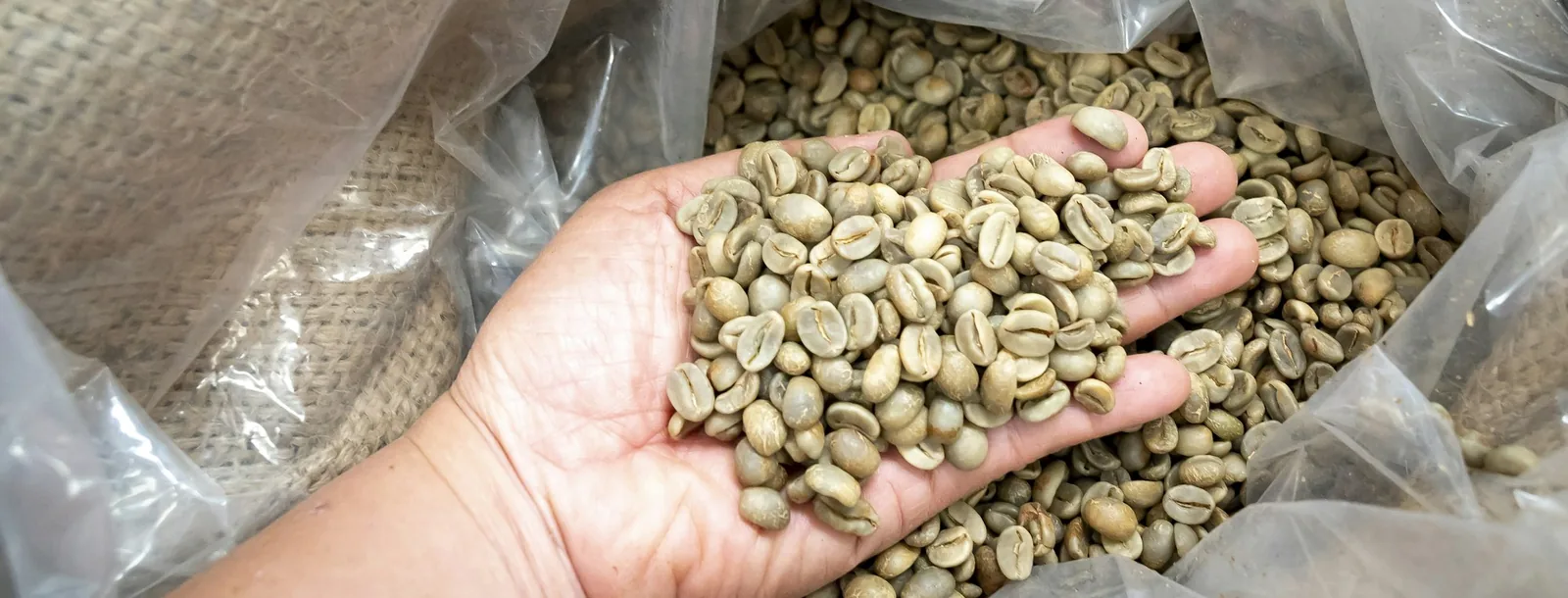
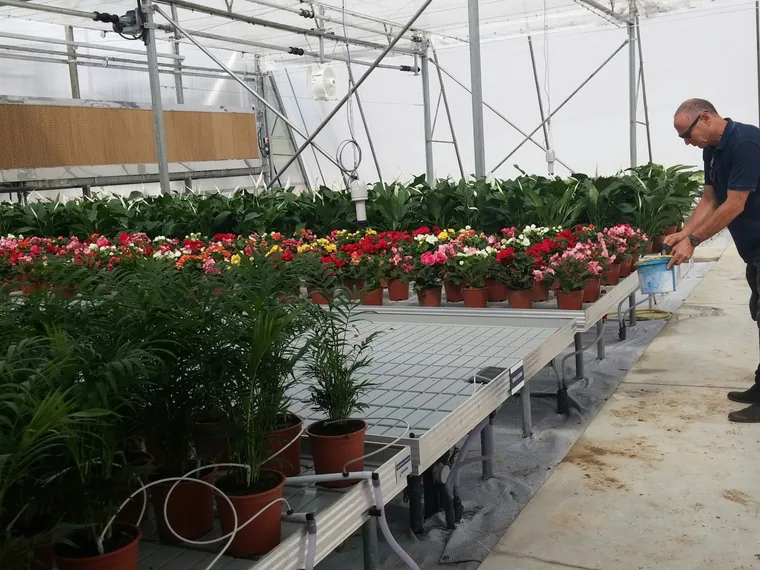
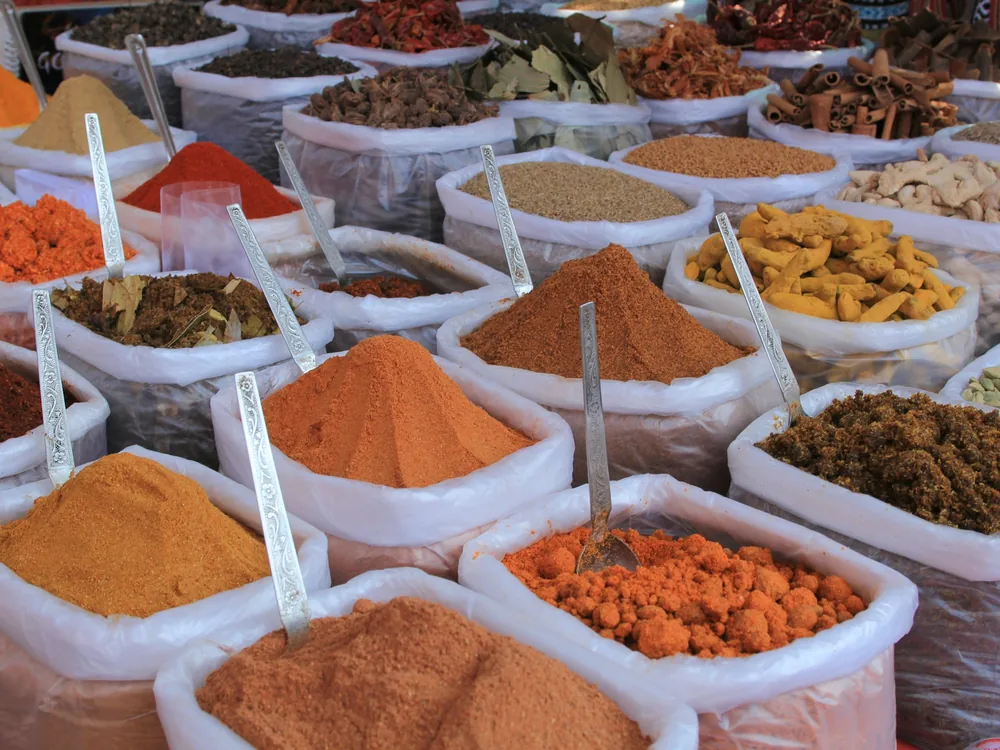
  • Fresh and dried produce — coffee, cocoa, spices, fruit, vegetables, cut flowers, seeds and grains.
  • Processed food with plant content, where the importer’s quarantine rules still apply.
  • Timber and wood products — sawn wood, furniture and handicraft, often needing fumigation plus SVLK legality records.
  • Wood packaging and pallets — solid-wood packaging must carry a valid ISPM 15 heat-treatment or fumigation mark, whatever the cargo inside.

Rubber, palm oil and other commodities carry their own quarantine rules and, for the EU market, separate obligations — a phyto certificate does not replace an EUDR Due Diligence Statement.

How much does phyto and fumigation coordination cost?

All fees are quote-based because scope depends on commodity, volume, destination and treatment. The figures below are indicative coordination fees only, as of 2026 and subject to change. They exclude official Barantin charges, treatment costs and third-party fees.

Service option What it covers Indicative fee (2026, quote-based)
Single-shipment phyto coordination Document prep, system submission, inspection scheduling from IDR 2,500,000
Fumigation coordination (MB / heat treatment) Accredited provider booking, treatment record, mark check from IDR 3,500,000
Timber export bundle Phyto + fumigation + SVLK cross-check from IDR 6,000,000
Destination-acceptance pre-check Import-permit and treatment-rule review per market from IDR 1,500,000

For context, Bali sourcing-and-support packages have been listed publicly around IDR 12,500,000 (as listed 2026), so bundled export-compliance work sits in a comparable range. We quote your exact shipment before any commitment.

What are the lead times before your vessel or flight?

Book early — inspection slots and fumigation aeration windows are the usual bottleneck. Indicative lead times before departure, as of 2026 and subject to change:

Task Typical lead time before ETD
Methyl bromide fumigation (incl. aeration) 3–5 working days
Heat-treatment slot 2–4 working days
Phyto inspection booking with Barantin 2–3 working days
Certificate issuance after a passed inspection 1–2 working days
Destination import-permit / protocol check 5–10 working days (country-dependent)

Why do phytosanitary certificates get rejected at destination?

Rejection is decided by the importing country’s quarantine authority, never by us — which is why pre-checking matters. The most common reasons a consignment is held, fumigated on arrival at your cost, re-exported or destroyed:

  • Live pest interception during destination inspection.
  • Unrecognised treatment — methyl bromide is restricted or banned in several markets, so the wrong treatment fails.
  • Detail mismatch between the certificate and the shipment: HS code, net weight, container or seal number, marks.
  • Timing — certificate issued too early, or the consignment arriving after the accepted window.
  • Missing import permit or an additional declaration the destination requires.
  • Wood packaging without a valid ISPM 15 mark, even when the cargo itself is compliant.

We reduce these risks; we cannot guarantee clearance. Final acceptance always rests with the destination authority, and rules change — confirm current requirements with Barantin or the importing country’s NPPO.

Destination quirks to verify early

Market Common quirk (verify current rules)
Australia AFAS-accredited fumigation; seasonal brown marmorated stink bug measures
European Union Phyto for many plant products; plus a separate EUDR DDS for coffee, cocoa, wood, rubber
United States APHIS import permits and set treatment schedules for some commodities
China Exporter/facility registration and bilateral protocols for fresh produce
Japan Plant import quarantine with specific pest-free conditions

How does booking work?

  1. Send shipment details — commodity, HS code, volume, destination and target ETD — by WhatsApp or the form below.
  2. We scope and quote the exact phyto and treatment requirements plus destination rules, with dated indicative figures.
  3. You approve, and we book the inspection and any fumigation and prepare the documents.
  4. Inspection and treatment run; we chase issuance and verify every detail against your B/L and invoice.
  5. You receive the phytosanitary certificate and treatment record ahead of ETD, ready for shipping and destination clearance.

Ready to scope your shipment?

Talk to the Juara Holding Group business desk. Send your shipment details and we come back with requirements, lead time and a dated quote.

  • WhatsApp: +62 811-3941-4563 (6281139414563)
  • Email: bd@juaraholding.com
  • Shipment-details form: csh_qf (quote request), csh_name, csh_email, csh_dest (destination country), csh_cargo (commodity and volume), csh_msg (notes and ETD).

Part of Juara Holding Group — an Indonesian group operating from Bali across Indonesia since 2015. This is compliance information, not legal advice; confirm current requirements with the relevant authority or a licensed consultant.

Frequently Asked Questions

Who issues phytosanitary certificates in Indonesia?

Under the International Plant Protection Convention, only a country’s national plant protection organisation can issue a phytosanitary certificate. In Indonesia that authority is Badan Karantina Indonesia (Barantin). A consultant cannot issue the certificate — we prepare the application, book the inspection and treatment, and verify the document, while Barantin performs the inspection and signs off.

How long is an Indonesian phytosanitary certificate valid?

Validity is set by the destination country, not by a single global rule. Many importing authorities expect the certificate to be issued close to shipment — often within roughly 14 days of export — and inspected recently. Because windows differ by market and commodity, confirm the exact requirement with the destination NPPO or Barantin before you book your slot.

Do I need both fumigation and a phytosanitary certificate?

Often, but they are separate things. The phytosanitary certificate attests plant health; fumigation or heat treatment is a specific measure that may be a condition of that certificate or a standing destination requirement. Solid-wood packaging needs an ISPM 15 mark regardless. We confirm which combination your commodity and destination actually require before quoting.

Can you guarantee my shipment will clear quarantine at destination?

No, and no consultant honestly can. The importing country’s quarantine authority makes the final decision, and live pest interceptions or rule changes can still cause a hold. What we do is reduce avoidable risk — correct treatment, matching details, valid marks and pre-checked permits — so your consignment arrives with the strongest possible documentation.

Does a phytosanitary certificate cover EUDR compliance?

No. They are unrelated obligations. A phytosanitary certificate addresses plant health, while the EU Deforestation Regulation requires a separate Due Diligence Statement filed in the EU TRACES NT system for commodities such as coffee, cocoa, wood and rubber. As of 2026, treat EUDR as an additional workstream and confirm current deadlines with the European Commission.

WhatsApp the concierge
Scroll to Top