
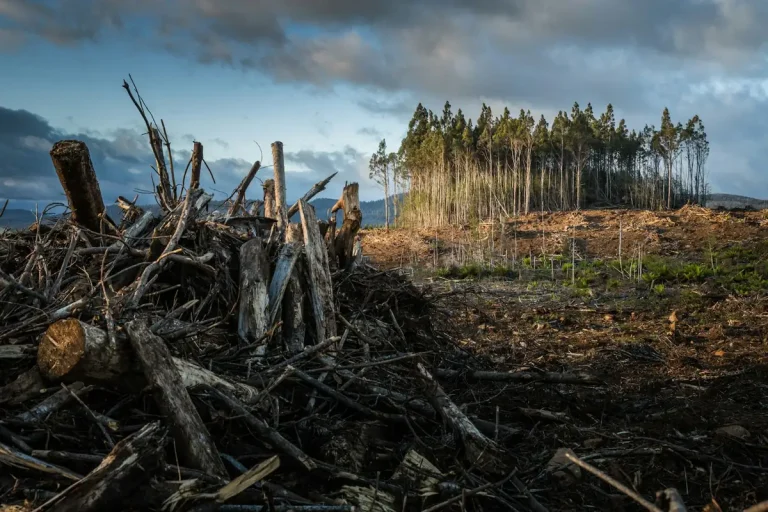
EUDR Penalties and Market Exclusion: Indonesia Risk Outlook
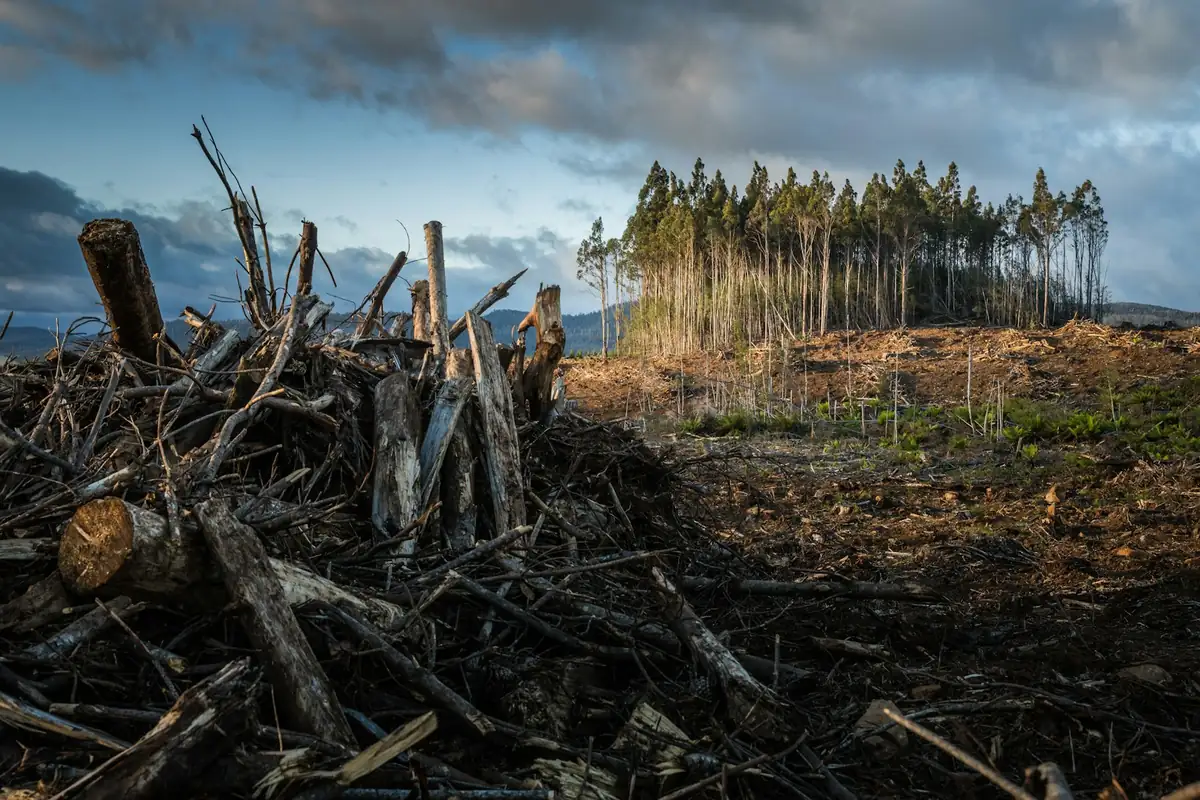
EUDR non-compliance exposes EU buyers of Indonesian palm oil, coffee, cocoa, rubber and timber to fines of up to 4% of EU turnover, goods confiscation and exclusion from public procurement. It exposes the Indonesian exporter to something quieter and often harsher: delisting. This guide maps who carries which liability, and what dated 2026 signals suggest about 2027.
What Penalties Does EUDR Actually Carry?
The EU Deforestation Regulation entered into force in June 2023 after adoption by the European Parliament in April 2023 and the Council in May 2023. It requires that soy, cattle, palm oil, wood, cocoa, coffee and rubber placed on the EU market be deforestation-free — produced on land not deforested after 31 December 2020 — and legally produced under the laws of the country of origin. Indonesia produces four of the seven covered commodities: palm oil, coffee, cocoa and rubber, while its timber trade falls under the wood category.
The penalty architecture, written into member-state law, has four practical layers:
| Penalty | Scale (as of 2026) | Falls directly on |
|---|---|---|
| Administrative fines | Up to 4% of total EU turnover | EU operators and traders |
| Confiscation | The goods themselves, plus revenues gained from them | EU operators; cargo is seized at the border |
| Procurement exclusion | Temporary ban from EU public tenders and public funding | EU operators and traders |
| Commercial exclusion | Buyer delisting — indefinite, with no formal appeal | Indonesian exporters and their farm base |
Enforcement dates are staggered, and sources differ: 30 December 2025 is widely treated as the enforcement date for large operators, while other sources cite a 30 December 2026 milestone for large and medium operators and a 30 June 2027 deadline for micro and small enterprises. As of 2026, treat every date as provisional and confirm the timetable with the European Commission before building it into contracts.
Who in the Supply Chain Carries the Liability?
Legal liability follows two defined roles inside the EU. The operator — the party that first places goods on the EU market — must file a Due Diligence Statement (DDS) in the EU TRACES NT system before the goods enter, referencing the HS code, EORI number, origin and geolocation data. The trader buys and sells goods already placed on the market; large traders shoulder operator-level duties.
The Indonesian exporter usually sits outside that legal perimeter — unless it chooses to step inside it. Some exporters establish an EU entity or engage an importer of record consultant so the DDS filing, and control over its quality, stays in their own hands rather than the buyer’s. That swaps commercial dependence for direct legal exposure — a deliberate decision, not a default.
Even without any EU presence, liability reaches the Indonesian side through four channels:
- Indemnity clauses. Buyers pass fines and losses down the contract chain; a 4%-of-turnover penalty can be reframed as a supplier claim.
- Chargebacks. The value of confiscated cargo gets deducted from open invoices.
- Delisting. Quiet removal from an approved-supplier list after a failed risk assessment, an audit finding or an NGO report.
- Documentation dependence. The buyer’s DDS is only as good as your geolocation files, farmer identity records and land tenure papers. A data gap in Sulawesi becomes the buyer’s border problem in Rotterdam — and then your commercial problem the next quarter.
What Does Market Exclusion Look Like in Practice?
Exclusion rarely arrives as a formal sanction. The Earthsight and Auriga Nusantara “Risky Business” report, published in October 2025, pushed EU timber buyers to drop high-risk Indonesian suppliers before member-state penalty enforcement had even matured. Many of those suppliers held SVLK certificates — Indonesia’s own timber legality system — yet SVLK alone did not satisfy EUDR-level due diligence, which cross-checks plot geolocation against a reference map of forest cover as of 31 December 2020.
The documentation bar is specific: full polygon coordinates for plots larger than 4 hectares, a single point coordinate for plots under 4 hectares, farmer identity and land tenure records, and a shipment-level risk assessment covering legality and deforestation risk, with extra evidence wherever risk is non-negligible.
The scale of Indonesia’s gap explains why buyers screen so hard. As of Q1 2026, roughly 18-22% of Indonesian independent smallholder hectares had verified geolocation data integrated into mill supply chains, and about 5 million hectares still lacked verified EUDR documentation — a gap Indonesian government and industry studies price at USD 80-150 per hectare, or USD 400-750 million in total. Only about 1% of smallholders supplying forest-risk commodities are certified as meeting EU traceability and legality requirements. To an EU compliance officer, those percentages are not background statistics. They are the risk score.
What Belongs in an Indonesian Exporter’s Risk Register?
A risk register turns EUDR anxiety into a managed list. The version below fits a mid-size Indonesian exporter shipping coffee, cocoa, rubber, palm derivatives or wood products to the EU; adjust likelihood per commodity and origin district.
| # | Risk event | Typical trigger | Impact on the exporter | Mitigation to document |
|---|---|---|---|---|
| 1 | DDS rejected in TRACES NT | Missing or malformed geolocation; polygon required above 4 ha | Cargo held at the EU border; demurrage and storage costs | Pre-validate every coordinate against the 31 December 2020 reference map before loading |
| 2 | Goods confiscated | A plot flagged as deforested after the cutoff date | Cargo value lost; buyer chargeback on open invoices | Plot-level screening; exclude non-verifiable plots from EU orders |
| 3 | Buyer delisting | NGO report, audit finding or failed risk assessment | Revenue loss across every EU account at once | Farmer ID, land tenure and legality records archived per shipment |
| 4 | Contractual pass-through of fines | Indemnity clause invoked after a buyer is penalised | Invoice deductions and legal disputes | Negotiate liability caps; keep a dated evidence trail |
| 5 | Indirect procurement loss | Buyer excluded from EU public tenders | Demand shrinks even without any error on your side | Diversify across buyers and non-EU markets |
Treat the register as a working document reviewed per shipment, not an annual formality; mitigation only counts if it is written down before the vessel sails.
What Do 2026 Signals Point To for 2027?
This is an outlook, not a prediction — EUDR deadlines have shifted before and can shift again. Three dated signals are worth watching:
- The staggered timetable. As of 2026, a 30 June 2027 deadline is cited for micro and small enterprises, which would pull thousands of smaller EU importers — many of them buyers of Indonesian coffee and cocoa — into full due-diligence duties.
- IEU-CEPA. The Indonesia-EU Comprehensive Economic Partnership Agreement is expected to enter into force in 2027, tying tariff advantages to standards and sustainability. Compliance readiness and tariff access are converging into one commercial question.
- GroundTruthed.id (GTID). Indonesia’s forest-monitoring platform, and the wider reconciliation of forest and commodity data with the EU, could lower verification friction — provided the data reaches shipment level in exporters’ files.
A reasonable reading: through 2027, penalty enforcement widens down the size scale on the EU side while tariff incentives grow on the Indonesian side. Exporters holding plot-level data would enter that year with more eligible buyers and stronger terms; those without it face a buyer pool that shrinks with each risk-assessment cycle. That is a scenario grounded in dated evidence, not a promise about how any authority will act.
This article is compliance information, not legal advice. Penalty application rests with member-state competent authorities, and no advisor can guarantee that a shipment clears customs, an audit or an EUDR check — verify every obligation with the European Commission or a licensed adviser in your buyer’s jurisdiction.
Frequently Asked Questions
Can an Indonesian exporter be fined directly under EUDR?
No — as of 2026, EUDR fines, confiscation and procurement bans apply to operators and traders inside the EU, enforced by member-state authorities. Indonesian exporters feel the penalties indirectly: contract indemnities that pass fines down, chargebacks for confiscated cargo, and delisting. If you act as your own importer of record in the EU, you become the operator and carry direct liability. Confirm specifics with the relevant competent authority.
What happens to goods already at an EU port if the DDS is rejected?
The shipment cannot legally be placed on the EU market until a valid Due Diligence Statement clears TRACES NT. Competent authorities can hold the cargo and, where non-compliance is confirmed, confiscate both the goods and revenues from them. The exporter typically absorbs demurrage, storage and re-routing costs under standard trade terms. Fixing geolocation data before sailing is far cheaper than arguing at the port.
How do Indonesian suppliers recover after an EU buyer delists them?
Re-entry usually means rebuilding the evidence the buyer lacked: verified plot coordinates (polygons above 4 hectares), farmer identity and land tenure records, and a documented legality assessment. The Earthsight and Auriga Nusantara report of October 2025 showed buyers drop suppliers on risk signals, not convictions — so recovery is about data, not litigation. An independent gap analysis before re-approaching shortens the process, though no advisor can guarantee reinstatement.
Keep reading

EUDR
EUDR SME Deadline 2027: A Month-by-Month Plan
Scope: a month-by-month countdown plan to 30 June 2027 — the readiness checklist itself lives in our coffee & cocoa…

EUDR
Zero Deforestation Sourcing: Indonesia to EU Post-2026
Zero-deforestation sourcing for Indonesian exporters selling into Europe after 2026 means rebuilding supply chains around suppliers who can prove, with…

EUDR
Inclusive EUDR Compliance Models for Smallholders
Inclusive EUDR compliance means the cooperative, not the individual farmer, carries the data burden. The models gaining ground in 2026…