

Bea Cukai Rules for Exporting Goods from Bali
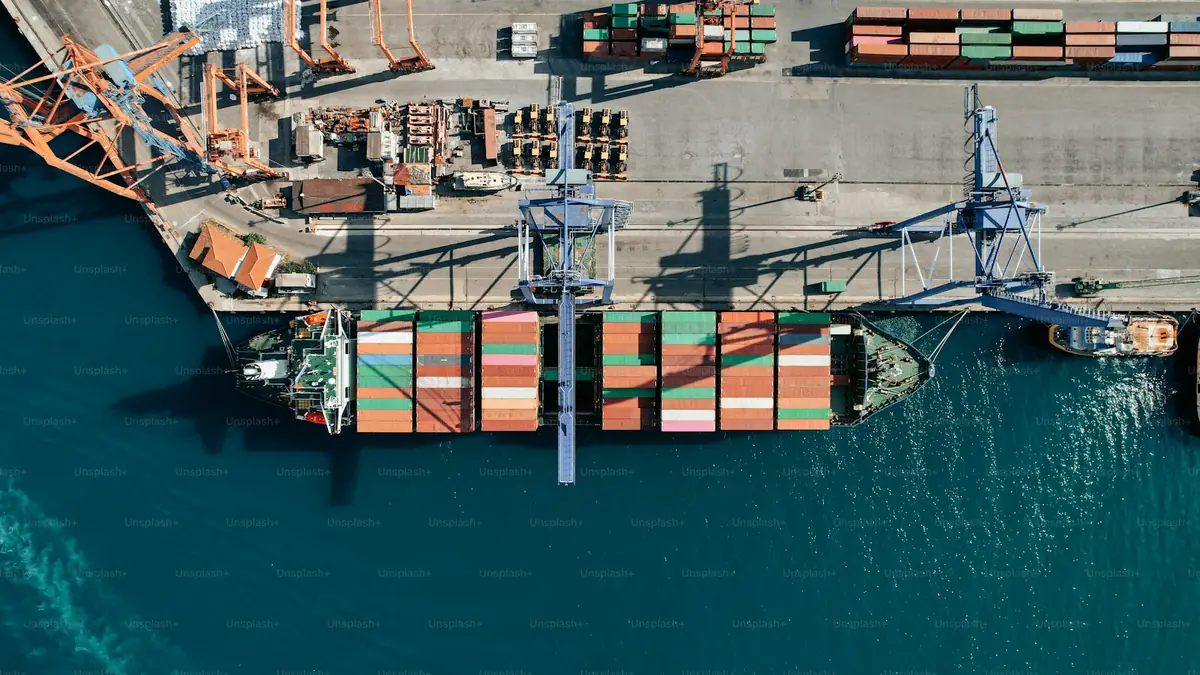
Bea cukai rules for exporting goods from Bali come down to four obligations. Register your business and customs access through OSS, file an electronic export declaration (PEB) before loading, declare an accurate FOB value, and keep every document for audit. Most shipments clear without physical inspection; errors, not inspections, are where exporters lose money.
Who Can Legally Export Goods from Bali?
Any business holding a Nomor Induk Berusaha (NIB) issued through the OSS licensing system can export from Indonesia, Bali included. Since Indonesia consolidated business licensing, the NIB doubles as your customs identification, so there is no separate export licence for most products. What trips exporters up is the restricted-goods list, known as lartas: commodities such as timber, rattan and certain agricultural products need permits — a surveyor’s report (Laporan Surveyor), SVLK legality documents for wood, quarantine clearance for plants — before the customs system will validate your declaration.
Geography matters too. Air shipments leave through Ngurah Rai, smaller sea cargo moves via Benoa, and most full-container loads from Bali are trucked or ferried to Tanjung Perak in Surabaya and declared there. Your registration works at all three, but the office that processes your declaration is the one at the point of loading. Most first-time exporters complete the registrations within one to two weeks; a bea cukai consultant in Bali can map which permits attach to your HS code before you commit to a shipping date.
What Declaration Must You File Before Loading?
Every commercial export needs a Pemberitahuan Ekspor Barang (PEB), the electronic export declaration filed through the CEISA 4.0 portal run by the Directorate General of Customs and Excise (DJBC). Under Finance Ministry regulation PMK 155/PMK.04/2022, the PEB may be submitted at the earliest seven days before the estimated export date and must be lodged before the goods enter the customs area for loading.
The PEB carries the data customs actually checks: your NIB, the eight-digit HS code, quantity and unit, FOB value and currency, destination country, consignee details and port of loading. When the system accepts the declaration, it issues a Nota Pelayanan Ekspor (NPE) — the release note your forwarder needs before cargo can be stuffed into a container or gated into the port. Most exports are document-checked only. Physical inspection is reserved for goods subject to export duty, re-exports, shipments flagged by risk profiling, and a small random sample.
How Does Bea Cukai Value Your Bali Shipment?
Export valuation is simpler than import valuation, but it still bites when handled casually. You declare the FOB value — the price of the goods at the Indonesian port, excluding international freight and insurance — in the transaction currency shown on your invoice. Customs cross-checks the PEB against that invoice, and mismatches invite queries or an inspection order.
A separate regime applies to goods carrying export duty (bea keluar): crude palm oil and its derivatives, cocoa beans, mineral concentrates, and certain leather and low-processed wood products. For these, duty is computed not on your invoice price but on a government-set export reference price that the Trade Ministry updates monthly. As of 2026 those rates and price bands move often enough that checking the current month’s decree is part of the routine — never assume last quarter’s figure still applies.
Here is the rule set in one view:
| Obligation | What the rule requires | Where it lives |
|---|---|---|
| Exporter registration | NIB via OSS, which doubles as customs access | OSS system |
| Export declaration (PEB) | E-filing at most 7 days before export, before goods enter the customs area | PMK 155/PMK.04/2022, CEISA 4.0 |
| Valuation | Accurate FOB value, currency and 8-digit HS code | PEB data fields |
| Export duty | Calculated on monthly reference prices for CPO, cocoa, minerals, some wood and leather | Monthly ministry decrees |
| Restricted goods (lartas) | Permits (Laporan Surveyor, SVLK, quarantine) secured before the PEB validates | Per-commodity regulations |
| Record keeping | Retain export documents for ten years for post-clearance audit | Customs Law audit rules |
What Happens When a Declaration Is Wrong?
Indonesian customs law separates honest corrections from violations. A PEB can be amended, but only within set windows that depend on which field changed and whether the vessel has departed; miss the window and the error hardens into a finding. The sanctions ladder, drawn from the Customs Law as amended in 2006, looks like this:
| Error | Consequence (as of 2026 — confirm current figures with DJBC) |
|---|---|
| Export cancelled but never reported to customs | Administrative fine of IDR 5,000,000 |
| Under-declared quantity or type on export-duty goods | Fine of 100% to 1,000% of the duty shortfall |
| Exporting without filing a PEB | Criminal exposure under Article 102A: one to ten years’ imprisonment and fines from IDR 50 million to IDR 5 billion |
| Repeated non-compliance | Blocking of customs access (blokir), which halts every shipment until resolved |
Post-clearance audit is the quiet risk. DJBC can revisit a shipment years after it sailed, which is why the ten-year document retention rule exists. An exporter who cannot produce the invoice behind a 2023 PEB during a 2026 audit is arguing from memory against a system that keeps records.
Which Documents Should a Bali Exporter Keep on File?
Build a shipment dossier and keep it for the full retention period:
- Commercial invoice and packing list matching the PEB line by line
- The PEB and NPE for every shipment
- Certificate of origin (SKA) issued through the e-SKA system when your buyer claims preferential tariffs
- Phytosanitary certificates from quarantine for plant-based goods such as coffee, spices and handicrafts with untreated wood
- SVLK or V-Legal documents for timber and wood products
- Export-duty payment receipts where applicable
One forward note for EU-bound cargo: wood, coffee, cocoa and rubber shipments now face the EU Deforestation Regulation on top of bea cukai rules, with enforcement for large operators dated 30 December 2025 — a due-diligence layer filed on the European side, separate from your PEB.
This article is compliance information, not legal advice. Rules, rates and thresholds change; confirm current requirements with the Direktorat Jenderal Bea dan Cukai — through the customs office at your port of loading or the Bravo Bea Cukai contact centre on 1500 225 — before you ship.
Frequently Asked Questions
Do I need a separate export licence if my company is registered outside Bali?
No. Your NIB and customs access are valid nationally, so a Jakarta- or Surabaya-registered company can ship from Bali without new licences. The PEB is simply processed by the customs office at the point of loading — Ngurah Rai for air cargo, Benoa for sea, or Tanjung Perak if your container consolidates through Surabaya.
Can I export handicrafts from Bali without a registered company?
Commercial exports need an NIB, which any registered business — including a small CV — can obtain through OSS. Individuals sending occasional personal parcels use courier channels, where the courier files a consignment-level declaration on your behalf. Once orders repeat or a single shipment carries real commercial value, register properly; unregistered commercial exporting risks the penalties described above.
How fast does bea cukai approve a PEB in Bali?
For low-risk goods with complete data and permits in place, CEISA typically returns the NPE within minutes to a few hours of PEB submission. Add one to three working days where physical inspection applies or a lartas permit is missing. Filing early inside the seven-day window before your export date leaves a buffer for corrections.
Keep reading
Bea Cukai
How to Avoid EU Customs Rejection of Indonesian Goods
You minimize EU customs rejection risk by verifying four things before the vessel departs Indonesia: a Certificate of Origin that…
Bea Cukai
How to Choose the Right HS Code for Indonesian Products
Choose the right HS code by describing your product precisely, applying the six General Rules of Interpretation in order, confirming…
Bea Cukai
Handling Bea Cukai Export Declarations With a Consultant
You handle a bea cukai export declaration by filing a PEB (Pemberitahuan Ekspor Barang) electronically through the CEISA system before…