
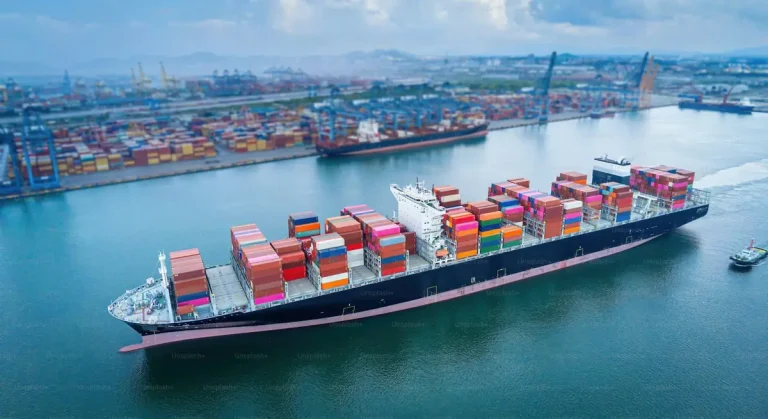
How to Start Exporting Bali Products to Europe
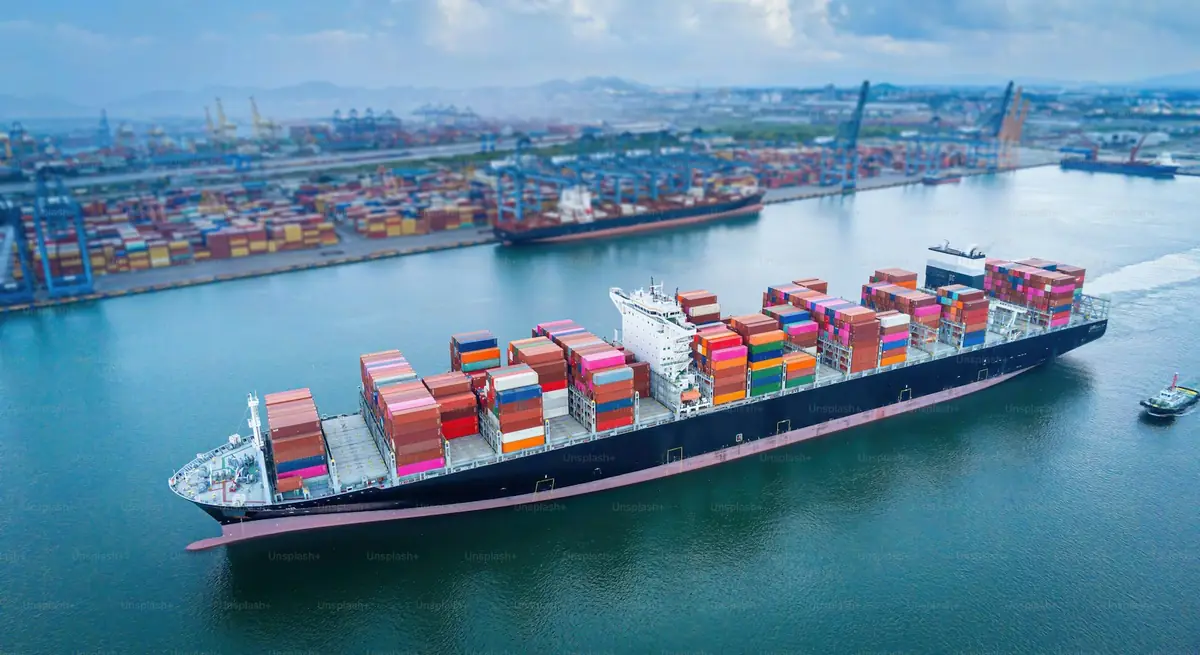
To start exporting Bali products to Europe, register your business for an NIB through Indonesia’s OSS system, classify your goods under an HS code, arrange a Certificate of Origin and — for plant-based items — a phytosanitary certificate, file a PEB export declaration with bea cukai, then meet your EU buyer’s requirements, including EUDR due diligence for wood, coffee, cocoa and rubber.
That list looks short on paper. The friction is in the sequencing — which office issues what, in which order, and what your buyer in Rotterdam or Hamburg will refuse to unload without. This walkthrough follows one first shipment from a Bali workshop to an EU port, step by step.
What Should You Register Before Anything Ships?
Indonesian export runs on three registrations, and all of them now sit online:
- NIB (Nomor Induk Berusaha) — issued through the OSS (Online Single Submission) system, usually within one to three working days. Your NIB doubles as your customs identity, but make sure your KBLI business classification codes actually cover trade in the goods you plan to ship.
- NPWP tax number — required before OSS will process anything.
- Customs access (akses kepabeanan) — activated against your NIB so export declarations can be filed through the CEISA system.
Most Bali products — furniture, homeware, garments, coffee, skincare — are free-export goods. A smaller list, including certain raw timber, unprocessed rattan and cultural antiquities, is restricted or banned, so check your product’s status on the INSW portal before you promise a delivery date. If you are unsure how EU-side rules stack on top of the Indonesian ones, an EU market entry consultant can map both sides against your exact product before you spend anything on certification.
How Do You Pick the Right HS Code?
Every other document hangs off this choice. The HS code decides your export duty (zero for most Bali goods), whether quarantine inspection applies, what your importer pays in EU tariffs, and — since the EUDR entered into force in June 2023 — whether deforestation due diligence applies to your shipment.
Work the code out with your buyer, not after them. Indonesia classifies to eight digits under BTKI, the EU to ten under TARIC, but the first six digits must match on both ends. Wooden furniture generally falls under heading 9403, Arabica green beans under 0901.11, woven natural-fibre bags under 4602. A wrong code is the single most common reason first shipments stall at either border, so confirm contested classifications with bea cukai or a licensed customs broker rather than guessing.
Which Documents Does a First Shipment Need?
| Document | Who issues it | When to arrange |
|---|---|---|
| NIB + customs access | OSS system | Once, before first shipment |
| HS code confirmation | Self-declared; verify via INSW or a customs broker | Before quoting the buyer |
| Commercial invoice + packing list | You | Per shipment |
| Certificate of Origin (SKA) | Provincial trade office via the e-SKA system | Per shipment, after the PEB |
| Phytosanitary certificate | Badan Karantina at Benoa or Ngurah Rai | Per shipment, plant-based goods |
| V-Legal document (SVLK) | Accredited SVLK certification body | Wood products only |
| PEB export declaration | Filed by you or your forwarder via CEISA | Before cargo loads |
| Bill of lading / air waybill | Carrier or freight forwarder | At departure |
| EUDR Due Diligence Statement | Your EU buyer files it in TRACES NT | Before goods enter the EU market |
Two Bali-specific pain points hide in that table. The Certificate of Origin is issued through e-SKA only after your PEB is accepted — the sequence matters. And the phytosanitary certificate covers anything grown, from coffee and cacao to rattan, seagrass and untreated wood; quarantine officers inspect cargo at the port, so book that inspection three to five days before departure, not the morning of.
What Extra Rules Hit Wood, Coffee, Cocoa and Rubber?
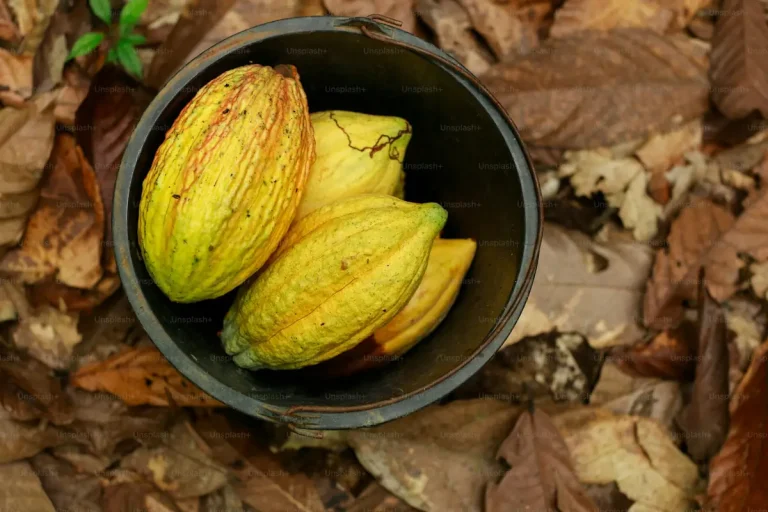
If your product contains any of these four materials, the EU Deforestation Regulation applies. The EUDR was adopted by the European Parliament in April 2023 and the Council in May 2023, and entered into force in June 2023. It covers seven commodities — soy, cattle, palm oil, wood, cocoa, coffee and rubber — and Indonesia produces four of them. Goods must be deforestation-free, meaning produced on land not deforested after 31 December 2020, and legally produced under Indonesian law.
In practice, your EU buyer — the “operator” in EUDR terms — must file a Due Diligence Statement in the EU’s TRACES NT system before your goods are placed on the EU market, referencing the HS code, the buyer’s EORI number, origin details and geolocation data for every plot: full polygon coordinates for plots above 4 hectares, a single point coordinate for plots under 4 hectares. That data has to come from you — the teak plantation behind your furniture, the Kintamani smallholders behind your coffee.
Deadlines are staggered and sources differ. As of 2026, guidance commonly treats 30 December 2025 as the enforcement date for large operators, while other sources cite 30 December 2026 for large and medium operators and 30 June 2027 for micro and small enterprises — confirm current dates with the European Commission before you sign anything. Penalties on the EU side can reach 4% of an operator’s EU turnover plus confiscation of goods, which is why buyers have become strict. After the Earthsight and Auriga Nusantara “Risky Business” report of October 2025, several EU timber buyers dropped suppliers they judged high-risk. SVLK certification still matters for Indonesian wood, but it no longer stands alone: SVLK proves legality, while EUDR due diligence additionally demands geolocation and deforestation-free evidence.
What Will Your EU Buyer Actually Ask For?
Beyond the export paperwork, expect a checklist like this before a purchase order lands:
- EORI-backed import setup. Your buyer needs an EORI number to clear EU customs; you will quote it on shipping documents and any DDS reference.
- Agreed Incoterms. Most first shipments run FOB Benoa or Surabaya, or CFR/CIF Rotterdam. Nail down who pays which leg before you price.
- Product compliance. Food-contact homeware, cosmetics, toys and textiles each carry separate EU safety and labelling rules on top of customs documents.
- EUDR data package wherever wood, coffee, cocoa or rubber is involved, as above.
- Payment terms. A 30-50% deposit against order with the balance against shipping documents is a common first-deal structure.
How Long Does a First Export Really Take?
| Stage | Indicative duration (as of 2026) |
|---|---|
| NIB + customs access via OSS | 1-3 working days |
| HS code + Incoterms agreed with buyer | 1-2 weeks |
| SVLK certification (wood, if not yet held) | 2-3 months |
| EUDR geolocation data collection | 2-8 weeks |
| Quarantine inspection + phyto certificate | 3-5 days pre-departure |
| PEB filing + customs release | 1-2 days |
| Sea freight to Rotterdam (via Surabaya) | 30-40 days |
| Air freight for samples | 3-7 days |
Realistically, a prepared non-wood shipment moves in four to six weeks from order to vessel; add two to three months if SVLK or EUDR groundwork starts from zero. These are indicative figures as of 2026 and shift with vessel schedules and inspection queues.
How Much Should You Budget?
Freight, inspection and certification costs move constantly, so treat any number without a date as fiction. For market framing: Bali competitor The Bali Curator lists a sourcing-and-support package at IDR 12,500,000 as listed in 2026, and SGS Indonesia runs EUDR gap analyses out of South Jakarta on a quoted basis. Professional export support in Bali is generally quote-based against product, volume and destination — collect two or three dated quotes and compare scope, not just price. None of this is legal advice; final rulings on classification, quarantine and EU admissibility always sit with bea cukai, Badan Karantina and the EU authorities.
Frequently Asked Questions
Can I export from Bali without setting up my own PT?
Yes, for early shipments. Many first-time sellers ship under an “undername” arrangement, where a licensed export-services company files the PEB and appears as exporter of record. It is faster, but the Certificate of Origin carries their name, and for EUDR commodities you still owe the geolocation data. Register your own NIB once orders repeat.
Do handicrafts made from dried plants need a phytosanitary certificate?
Usually, yes. Rattan, bamboo, seagrass, ata grass, dried flowers and untreated wood all fall under plant quarantine, so Badan Karantina inspects the cargo at Benoa or Ngurah Rai before departure. Heavily processed or fully treated items may be exempt, but exemptions vary by EU member state — confirm with the quarantine office about a week before shipping.
How much does a first sample shipment to Europe cost?
As of 2026, couriered samples of a few kilograms typically run in the low hundreds of US dollars, while LCL sea freight for a first pallet-scale order is usually quoted per cubic metre plus local port charges. Rates change monthly — request dated quotes from two forwarders and confirm which customs and inspection fees are included.
Keep reading
Market Entry
US Market Entry for Indonesian Coffee & Cocoa: 2027 Outlook
US market entry for Indonesian specialty coffee and cocoa with sustainability claims runs through three gates: FDA food-safety registration with…

Market Entry
IEU-CEPA Sustainability Chapters: What to Prepare
Scope: the sustainability-standards chapters themselves — not the tariff-opportunity case, which we cover separately. IEU-CEPA tariff preferences will not arrive…

Market Entry
EU & US Green Trade Trends for Bali Exporters: 2027 Outlook
EU and US green trade trends for Indonesia's sustainable tourism and export sectors converge on one word for 2027: proof.…