A Bali sourcing agent with export compliance support finds and vets Indonesian suppliers, then builds the documentation chain — HS classification, certificate of origin, phytosanitary certificates and EUDR geolocation records — that lets your goods actually clear customs in the EU or US. Bali Export Consultant delivers both in one quote-based engagement, run from Bali across Indonesia.
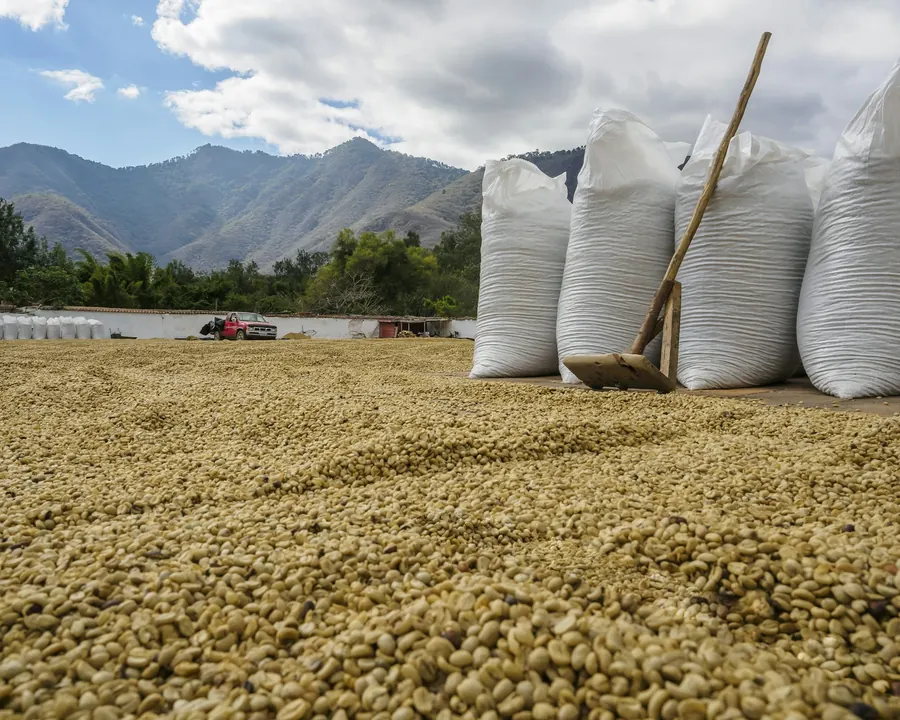
Plain sourcing agents stop at the factory gate. They find the workshop, negotiate the price, check the samples — then hand you a shipment a European customs officer may refuse. Since the EU Deforestation Regulation entered into force in June 2023, paperwork is no longer an afterthought; for coffee, cocoa, rubber and palm-derived goods it decides whether the container moves at all.
Why Isn’t a Plain Sourcing Agent Enough Anymore?
Because the risk moved downstream to the buyer. EUDR covers seven commodities — soy, cattle, palm oil, wood, cocoa, coffee and rubber — and Indonesia produces four of them. Goods placed on the EU market must be deforestation-free, meaning produced on land not deforested after 31 December 2020, and legally produced under Indonesian law. Our working guidance treats 30 December 2025 as the enforcement date for large operators; other sources cite 30 December 2026 for large and medium operators and 30 June 2027 for micro and small enterprises. Confirm the current dates with the European Commission before you plan a shipment. Penalties on the EU side can reach 4% of EU turnover, plus confiscation of goods and exclusion from EU public procurement.
Timber adds its own layer. Indonesian exporters hold SVLK legality certification, but after the Earthsight and Auriga Nusantara “Risky Business” report of October 2025 pushed EU buyers to drop high-risk suppliers, SVLK now needs EUDR-level due diligence stacked on top of it.
A sourcing agent who cannot produce farmer identity records, plot coordinates and a shipment-level risk assessment leaves that entire burden — and the liability — with you.
What Separates Sourcing-Only From Sourcing With Compliance?
| Scope | Sourcing-only agent | Sourcing with compliance support |
|---|---|---|
| Supplier discovery and price negotiation | Yes | Yes |
| Sample checks and production QC | Sometimes | Yes, documented |
| HS code classification per destination | No | Yes |
| Certificate of origin (e-COO) coordination | No | Yes |
| Phytosanitary and fumigation certificates | No | Yes |
| EUDR geolocation, farmer ID, land tenure | No | Yes, for in-scope commodities |
| Due Diligence Statement pack for TRACES NT | No | Prepared for your EU operator to file |
| Shipment-level legality and deforestation risk assessment | No | Yes |
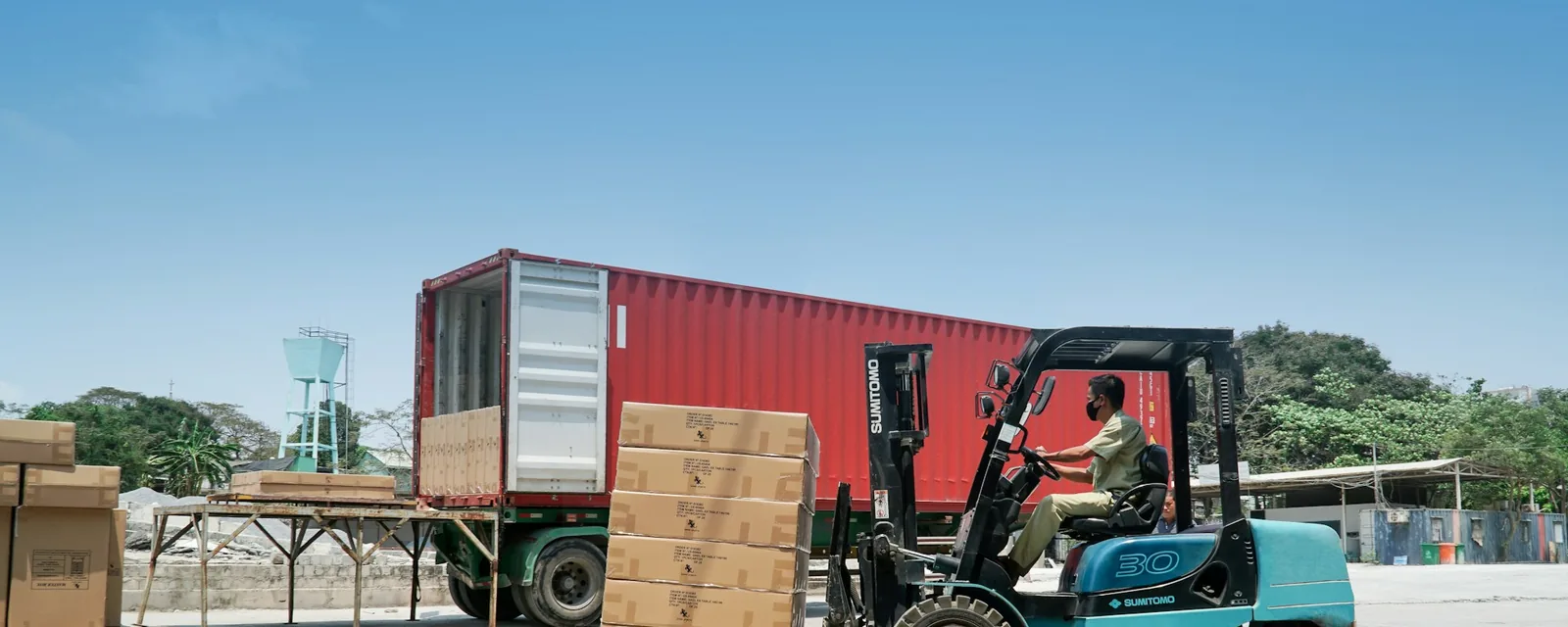
| Customs handover file for brokers at both ends | No | Yes |
What Does the Compliance Documentation Chain Include?
- HS code classification checked against the destination tariff, not guessed from a catalogue.
- Certificate of origin coordinated with the Indonesian issuing office, matched to the commercial invoice.
- Phytosanitary and fumigation certificates for plant-based and wooden goods, timed to the stuffing date.
- EUDR geolocation pack: full polygon coordinates for plots larger than 4 hectares, a single point coordinate for plots under 4 hectares, cross-referenced against the reference deforestation map showing forest cover as of 31 December 2020.
- Farmer identity records, national ID and land-tenure documentation for smallholder-origin cargo.
- A shipment-level risk assessment covering legality and deforestation risk, with extra documentation wherever risk is non-negligible.
- A Due Diligence Statement drafted with HS code, EORI number, origin and geolocation data — filed by your EU operator in the TRACES NT system before the goods enter the EU.
One honesty note: we prepare and verify documents; we do not and cannot guarantee that a customs authority or the TRACES system will accept a filing. Final decisions rest with the authorities — treat this page as compliance information, not legal advice.
How Do We Coordinate Smallholders and Cooperatives?
This is where most sourcing chains break. As of Q1 2026, roughly 18–22% of Indonesian independent smallholder hectares had verified geolocation data integrated into mill supply chains, and about 5 million hectares still lacked verified EUDR documentation. Only around 1% of Indonesian smallholders supplying forest-risk commodities are certified as meeting EU traceability and legality requirements.
Our field process: onboard the cooperative, capture GPS plots farm by farm, collect national ID and land documents, and reconcile everything into a format your EU operator can reference in a Due Diligence Statement. Indonesian government and industry studies estimate compliance costs at USD 80–150 per hectare for a typical smallholder plot, which is why we quote mapping work per plot count rather than as a flat fee. Indonesia’s GroundTruthed.id (GTID) forest-monitoring platform and the ongoing data reconciliation with the EU may bring that cost down over time — and with the Indonesia–EU CEPA expected to enter into force in 2027, exporters holding clean traceability records will be first in line for the tariff advantages it ties to standards.
What Does It Cost and How Long Does It Take?
All fees are quote-based. Figures below are indicative as of July 2026 and subject to change.
| Engagement | Indicative fee (July 2026) | Typical duration |
|---|---|---|
| Supplier scout + vetting report (up to 5 candidates) | From IDR 9,500,000 | 2–3 weeks |
| Sourcing + full compliance chain, one shipment | From IDR 18,500,000 | 4–8 weeks |
| EUDR smallholder mapping add-on | Quoted per plot count (USD 80–150 per hectare benchmark) | 3–10 weeks, field-dependent |
| Ongoing sourcing + compliance retainer | From IDR 12,000,000 per month | Rolling, 3-month minimum |
For context: Bali competitor The Bali Curator lists a sourcing-and-support package at IDR 12,500,000 (as listed 2026) without a compliance documentation chain, and SGS Indonesia offers EUDR gap analysis from South Jakarta. We sit between the two — Bali-based fieldwork with an export documentation backbone.
How Does Booking Work?
- Send a sourcing brief — product, destination market, target volume — via the form below, WhatsApp or email.
- Scoping call within 2–3 working days. We confirm feasibility and flag the compliance requirements for your commodity and destination.
- Fixed written quote listing deliverables, timeline and what stays your responsibility (for example, the EU operator’s DDS filing).
- Supplier shortlist and vetting report. You approve before any deposit moves.
- Documentation chain build and shipment support, closing with a handover file for the customs brokers at both ends.
Send Your Sourcing Brief
Tell us the product, the destination and the volume — that is enough to start. The BD desk of Juara Holding Group replies within one working day.
- WhatsApp: +62 811-3941-4563
- Email: bd@juaraholding.com
- Or use the sourcing brief form on the contact page (product, destination, cargo details, message).
Part of Juara Holding Group — an Indonesian group operating from Bali across Indonesia since 2015.
Frequently Asked Questions
Can a Bali sourcing agent prepare EUDR geolocation data for coffee and cocoa suppliers?
Yes, where plots are accessible and farmers cooperate. We capture polygon coordinates for plots over 4 hectares and single points for smaller plots, collect farmer ID and land-tenure records, and cross-check locations against the 31 December 2020 reference map. The EU importer then files the Due Diligence Statement in TRACES NT — we prepare the pack, the operator submits it.
Do I still need a customs broker if my sourcing agent handles compliance documents?
Usually yes, at both ends. We prepare and verify the export documentation chain and coordinate with the Indonesian forwarder and customs broker handling clearance out of Indonesia; your import broker handles duty and entry at destination. What changes is that both brokers receive one complete, consistent file instead of chasing missing certificates mid-shipment.
How do you vet suppliers before I commit money to an order?
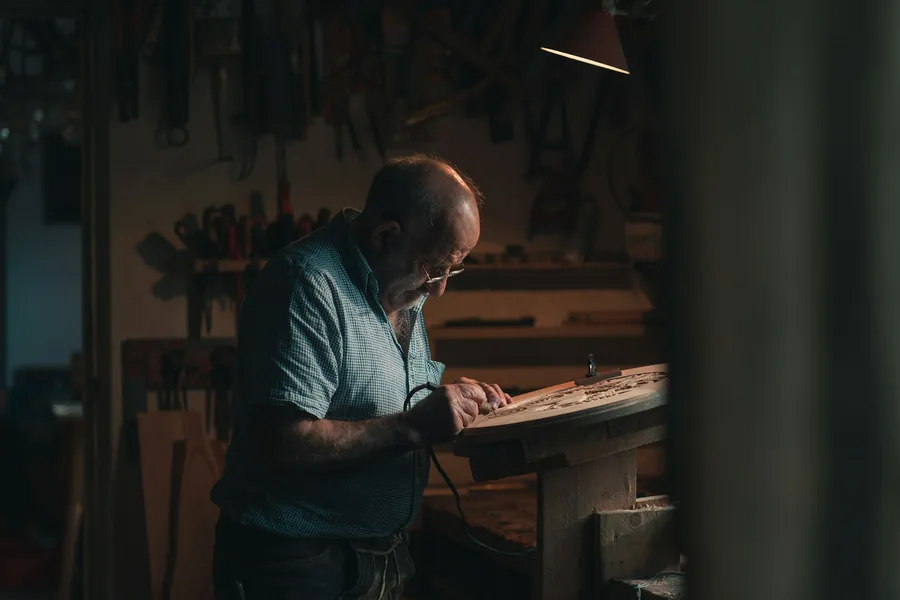
We check legal registration and export track record, visit the workshop or farm, test production capacity against your volume, and screen the compliance gap: can this supplier support HS classification, certificate of origin, phytosanitary inspection and — for EUDR commodities — geolocation records? You receive a written vetting report before any deposit moves. Findings are factual; the purchase decision stays yours.
What happens if a supplier fails a compliance check after the order starts?
We flag it immediately with evidence, quantify the gap — missing land documents, an unmappable plot, a failed phytosanitary inspection — and present options: remediate against a deadline, substitute a vetted backup supplier, or split the order. Because vetting happens before deposits, mid-order failures are rare, but no agent can honestly promise zero risk on smallholder chains.